
Ingredients
- 20 ounces milk
- 3 egg yolk(s)
- 1 cinnamon sticks
- 1 lemon peelwide strip, no white pith
- 4-5 ounces white sugar
- 2 tablespoons cornstarch
- to carameilze the top brown sugar1 tablespoon
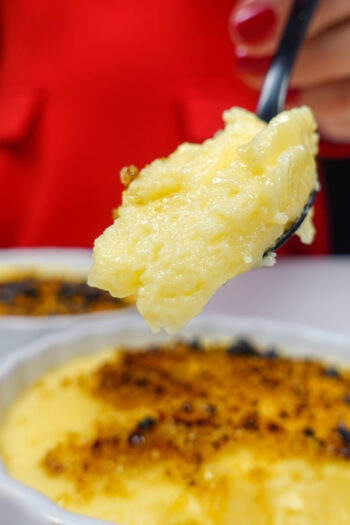
This Portuguese Custard Cream – Leite-Creme is a traditional dessert from Portugal, silky, lightly flavored with cinnamon and lemon, and topped with a crisp caramelized sugar layer. Unlike French crème brûlée, it uses milk instead of cream, making it lighter but just as luxurious.
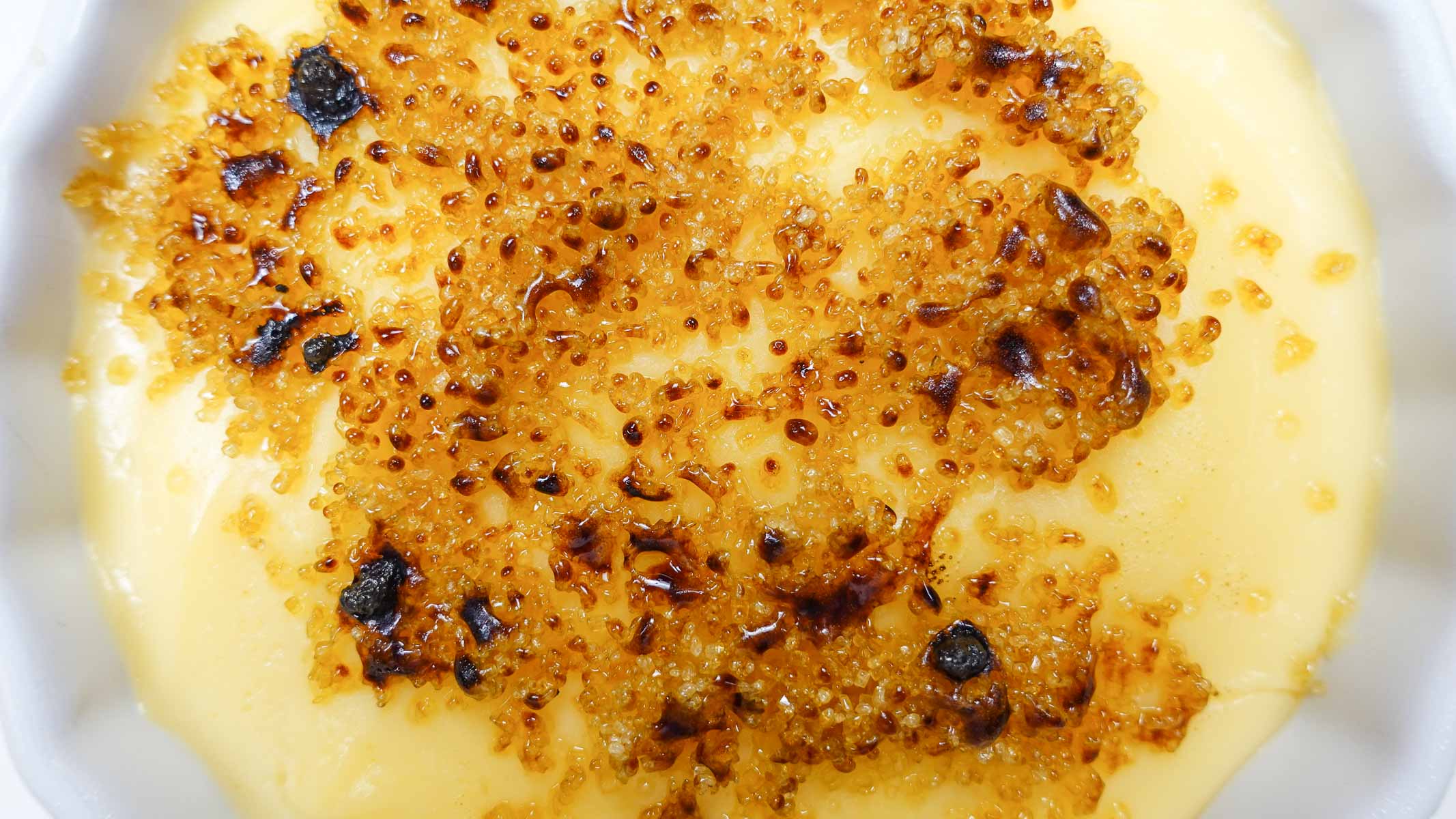
Caramelized sugar gives a nice crunch when trying a spoonful of this delicious custard cream dessert.
Recipe Videos
Check out a quick recipe teaser:

Watch the full cooking process:

💡 Hit play. Unmute for sound.
Recipe steps
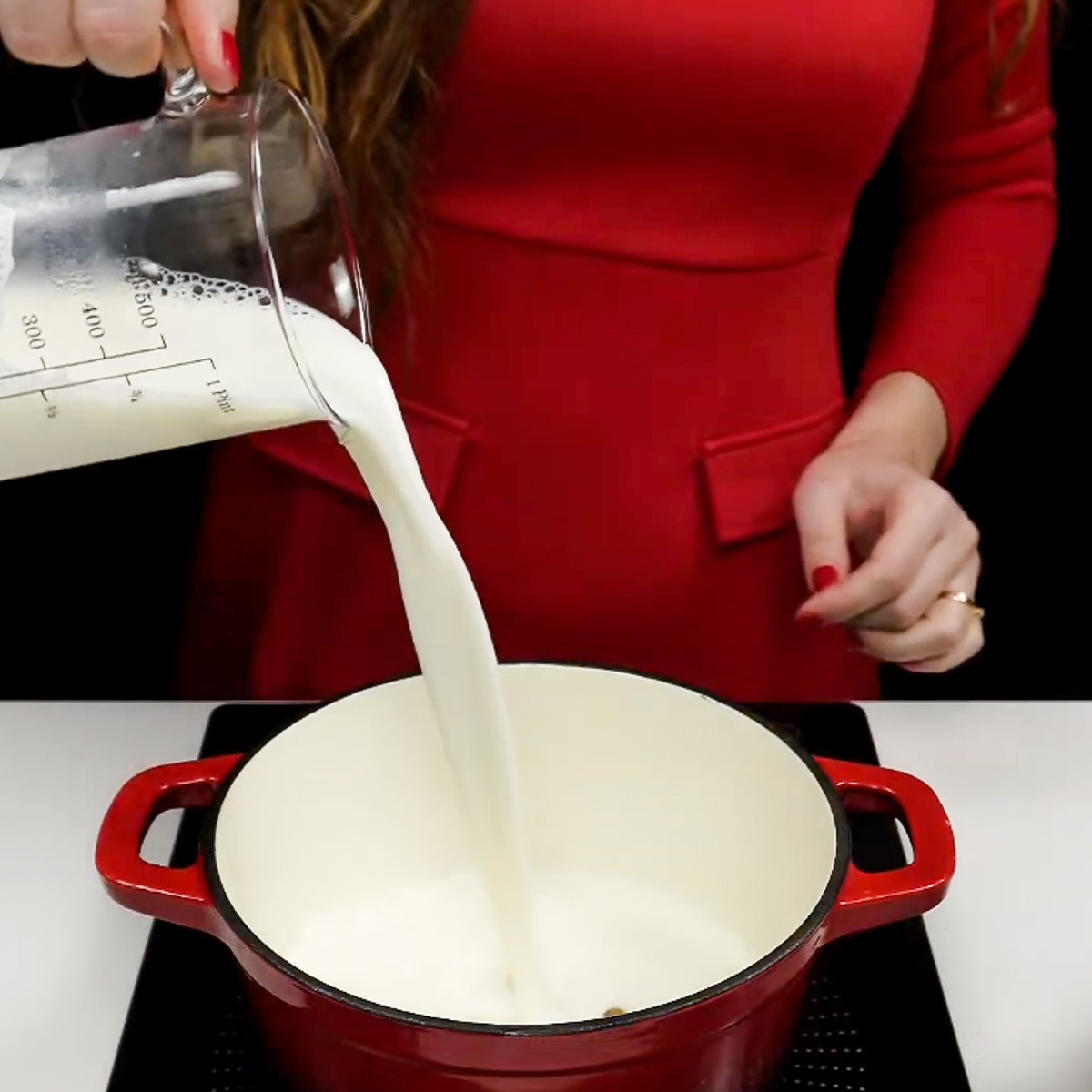
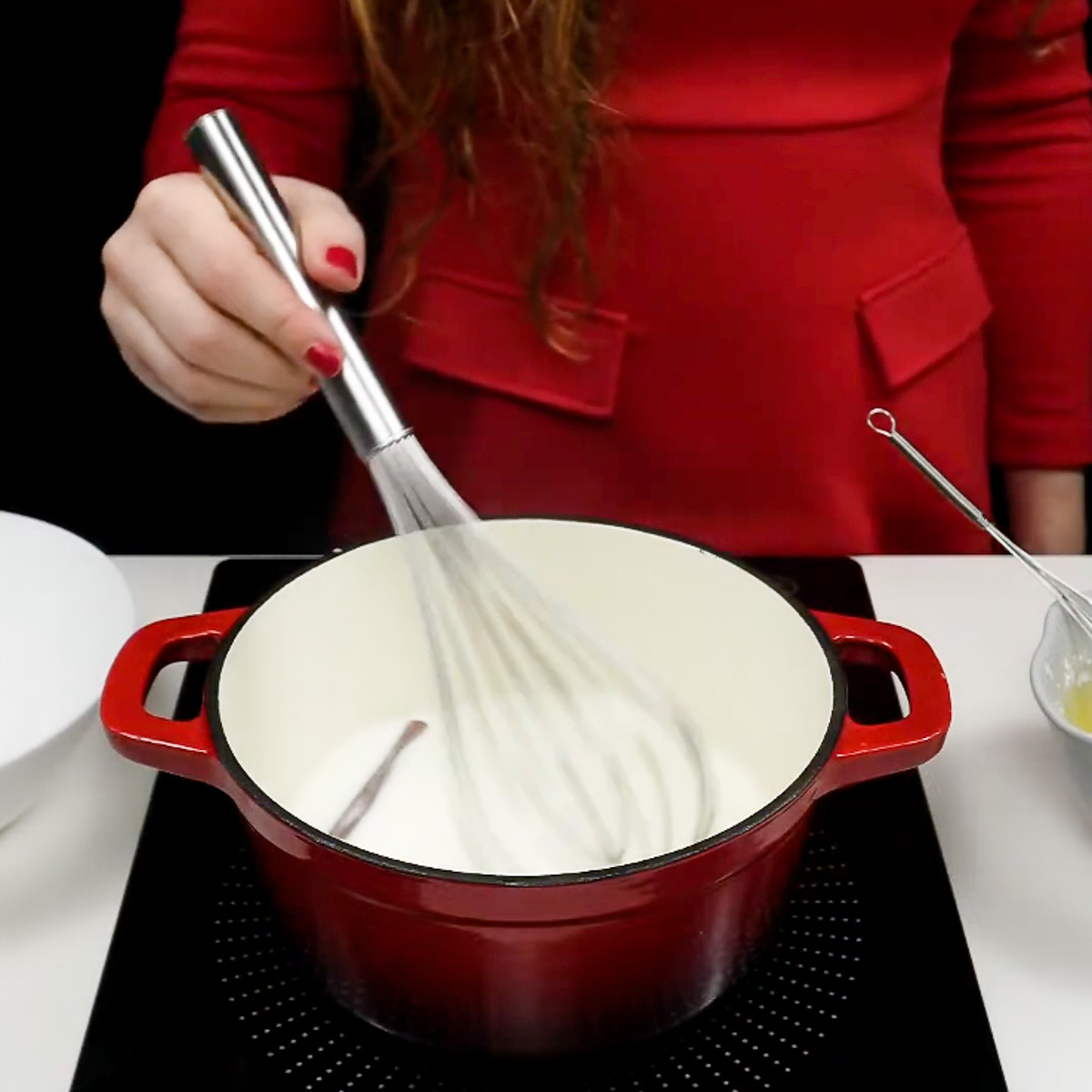
Step 1. Heat the milk 7 minutesIn a saucepan, combine the milk, lemon peel, and cinnamon stick. |
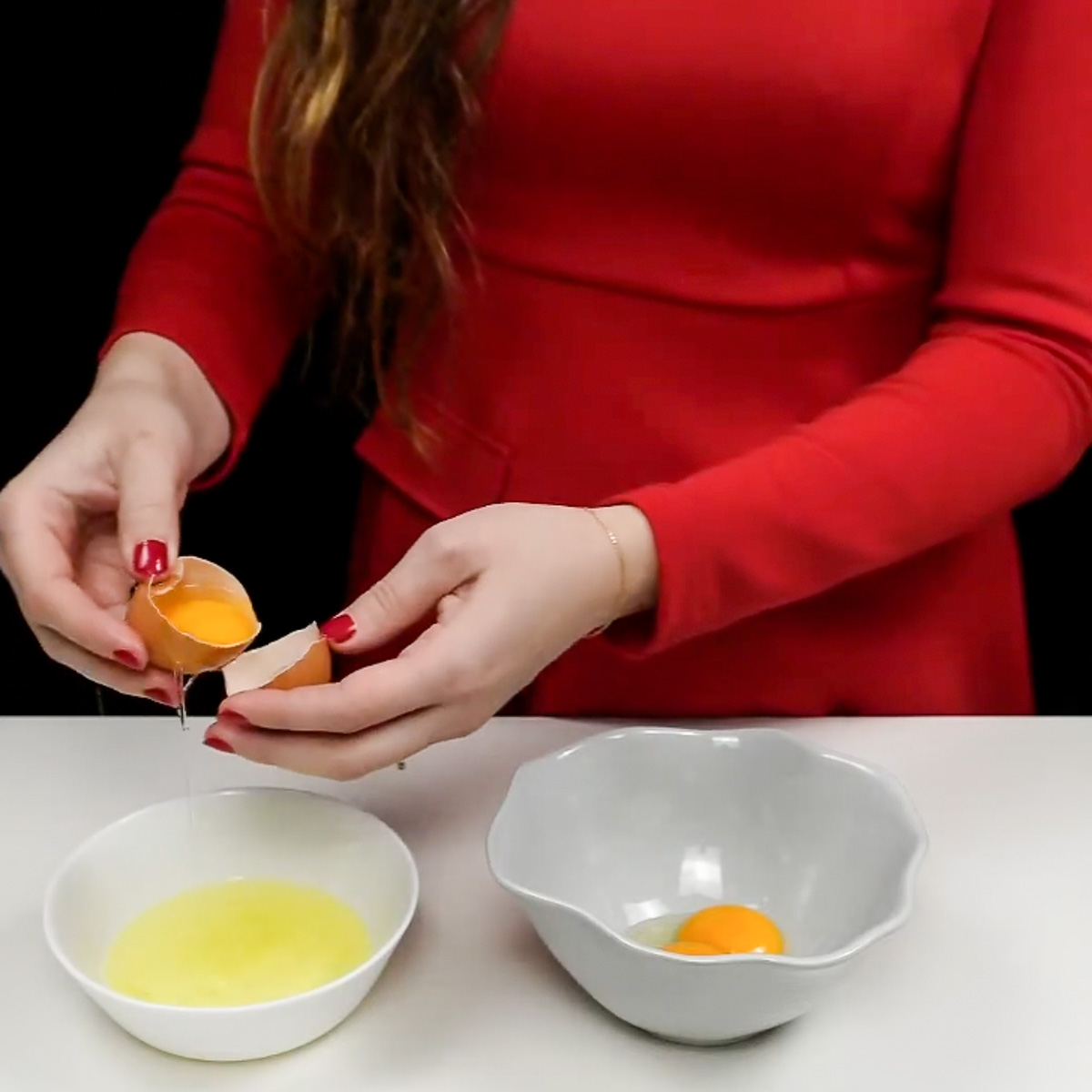
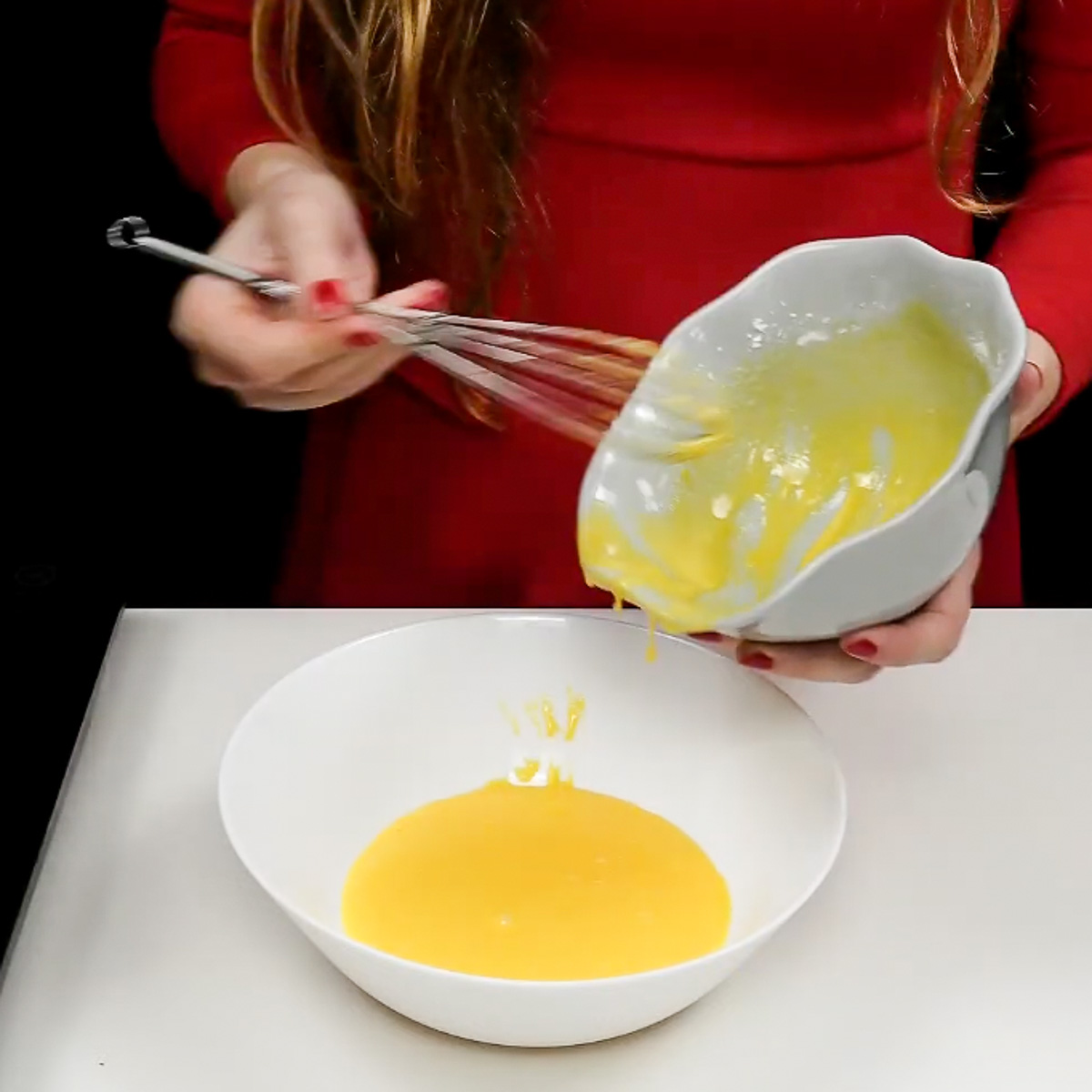
Step 2. Mix the eggs 5 minutesIn a bowl, whisk the egg yolks with the sugar until pale and creamy. |
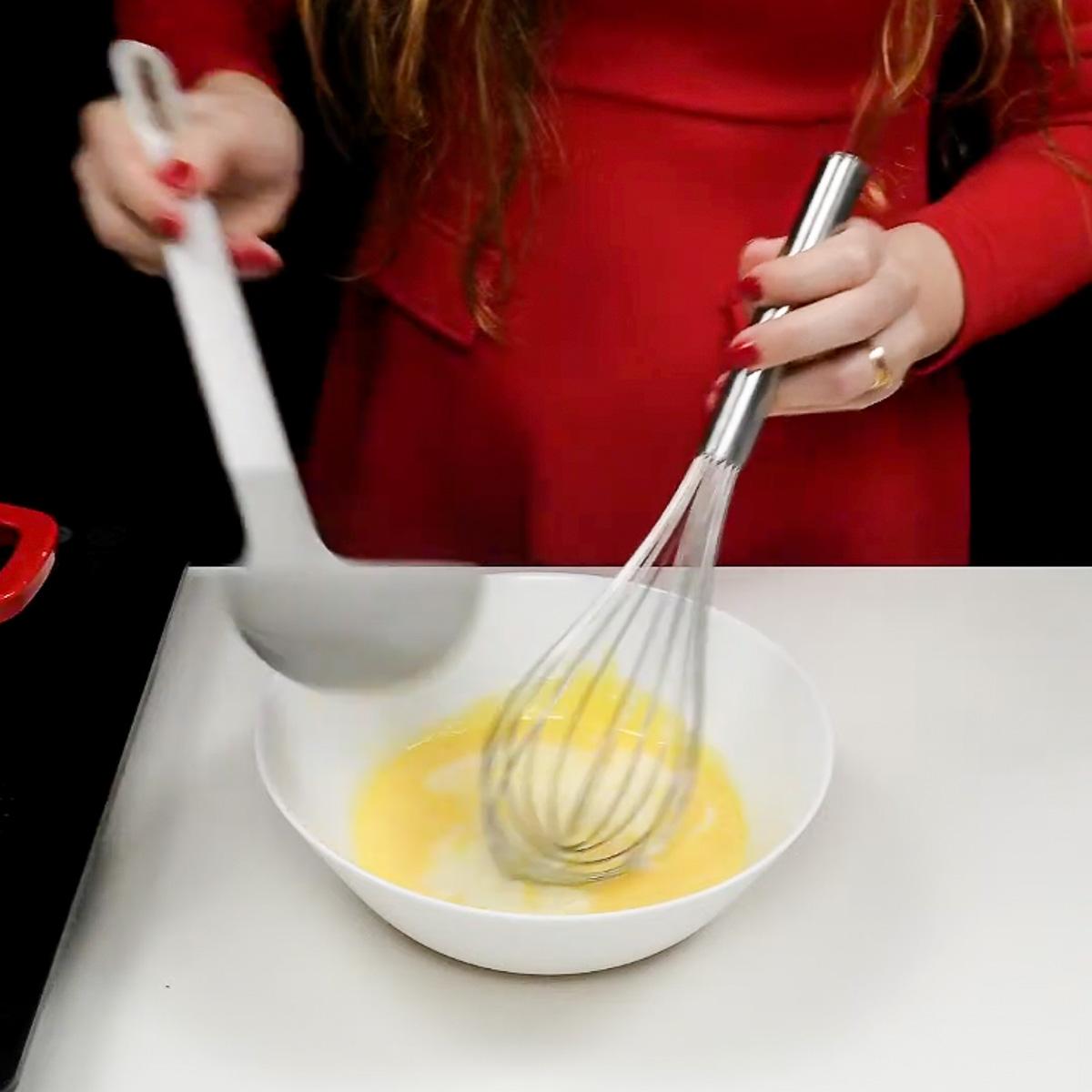
Step 3. Temper the eggs 3 minutesSlowly pour the warm milk into the egg mixture, whisking constantly. |
Step 4. Cook the cream 5 minutesReturn everything to the saucepan. |
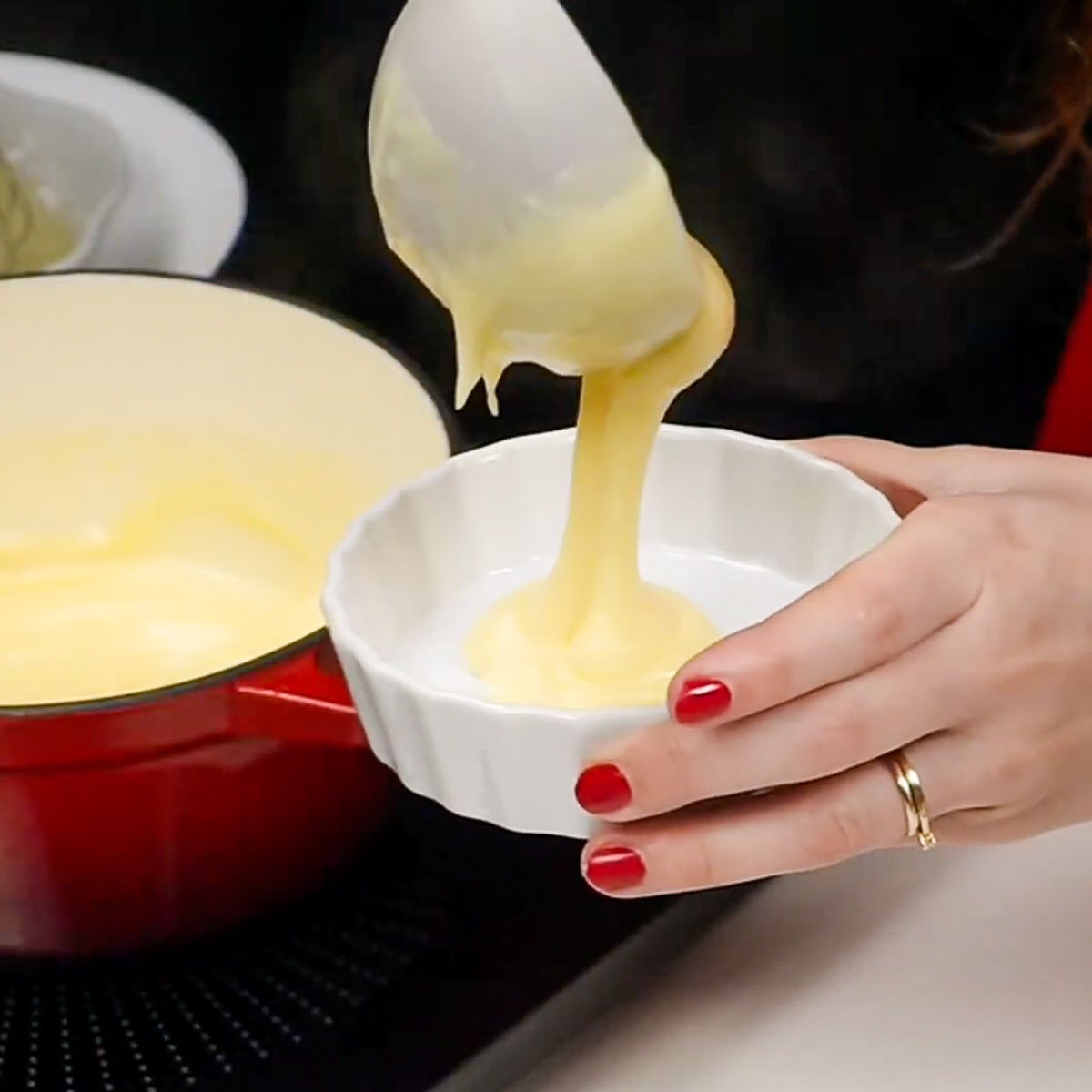
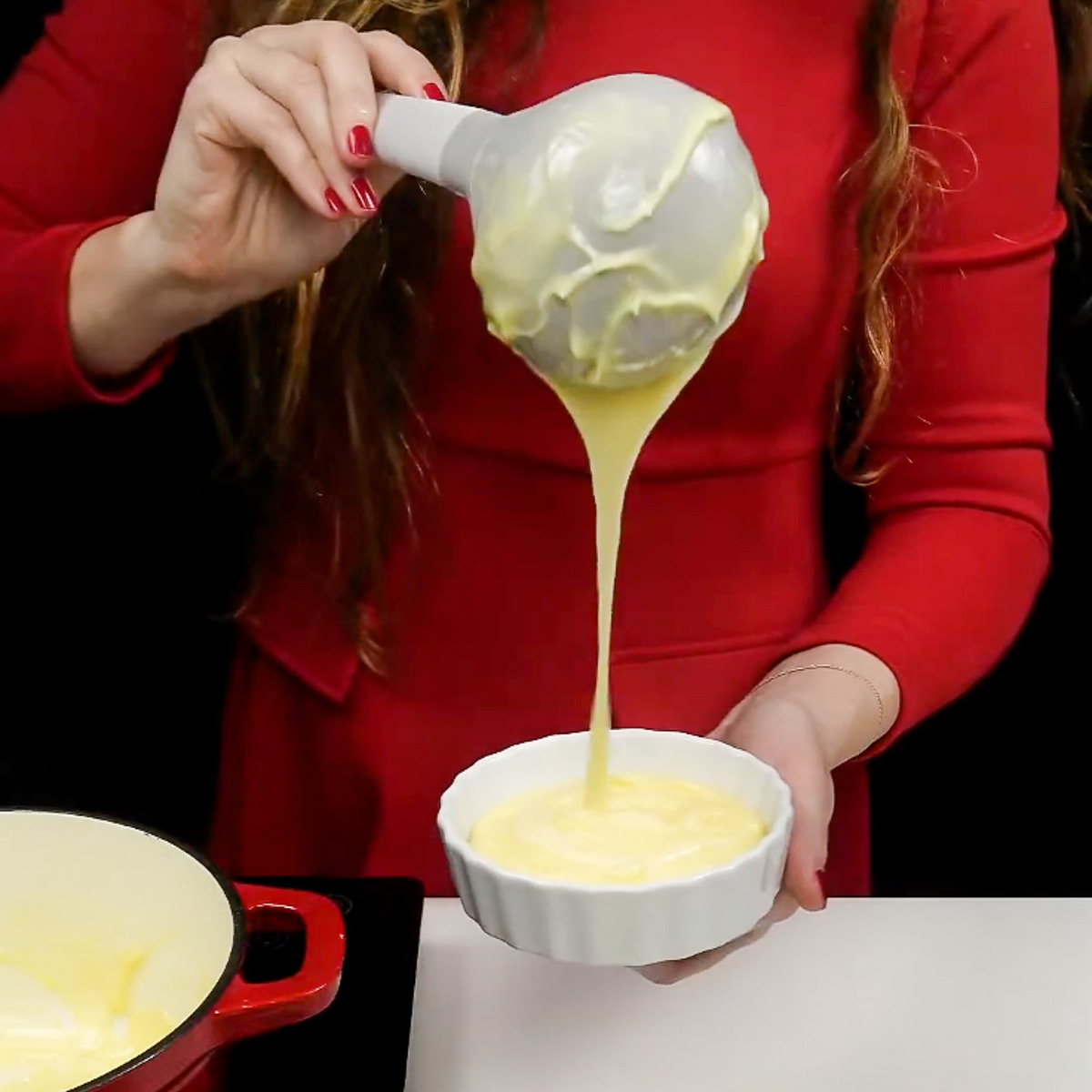
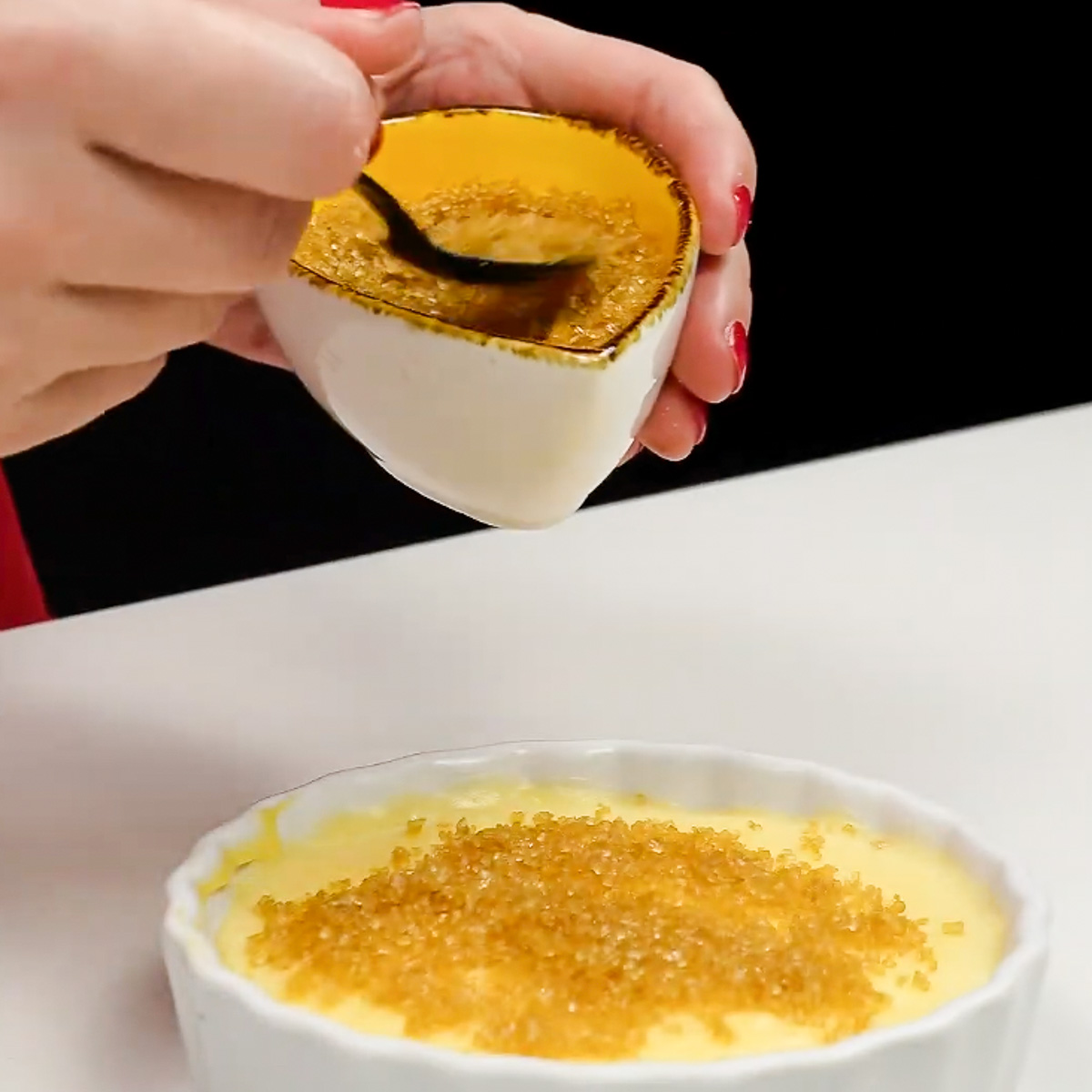
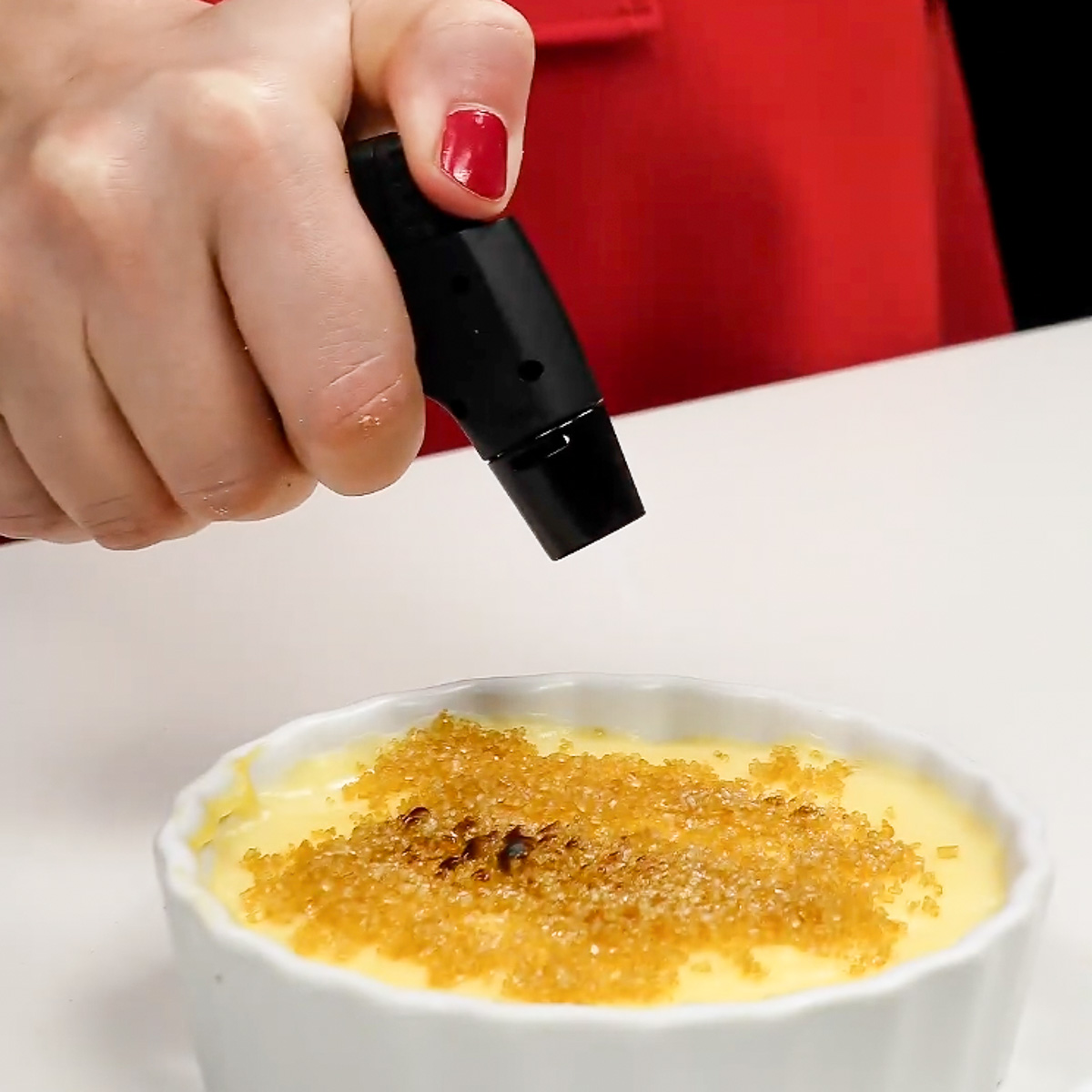
Step 5. Finish and chill, Caramelize the top 5 minutesPour into shallow dishes. Let cool, then refrigerate for at least 2-4 hours. Sprinkle a thin, even layer of sugar over the surface. |
Step 6. Serve 5 minutesYour Portuguese Custard Cream Leite-Creme is ready. |






This Portuguese Custard Cream – Leite-Creme is a traditional dessert from Portugal, silky, lightly flavored with cinnamon and lemon, and topped with a crisp caramelized sugar layer. Unlike French crème brûlée, it uses milk instead of cream, making it lighter but just as luxurious.

Caramelized sugar gives a nice crunch when trying a spoonful of this delicious custard cream dessert.
Which season is this recipe best for?
Leite-Creme dessert is enjoyed year-round, but it shines in cooler months like fall, winter, and early spring.
The warming aromatics of cinnamon and lemon peel are perfect for chilly days, while the chilled custard provides a refreshing contrast during warmer seasons. Its versatility makes it suitable for holidays, family gatherings, or everyday meals.
Where can I buy the ingredients for this recipe?
All ingredients for Portuguese Custard Cream are widely available in standard grocery stores.
Whole milk should be fresh and full-fat, ideally not ultra-high-temperature processed, as UHT milk can affect flavor and texture.
Egg yolks should come from large eggs; freshness matters because yolks are the backbone of the custard’s structure and color.

Cinnamon sticks are preferable to ground cinnamon, as they provide a clean infusion without clouding the custard.
Lemon peel should be taken from an unwaxed lemon if possible, and only the yellow outer peel should be used, avoiding the bitter white pith.
White sugar is standard granulated sugar, while cornstarch should be a pure, unflavored starch.
Brown sugar for caramelizing can be light or dark, though light brown sugar produces a cleaner crack and less bitterness.
Can I substitute the ingredients in this recipe?
Substitutions are possible, but they must be approached cautiously, especially if your aim is an authentic Portuguese result.
Milk should not be replaced with cream, half-and-half, or plant-based alternatives if authenticity and texture are priorities. Doing so turns the dessert into something closer to crème brûlée and eliminates what makes Leite-Creme distinct.
Egg yolks should not be replaced with whole eggs, as whites introduce unwanted firmness and dilute richness.
Cinnamon sticks can be replaced with a very small amount of ground cinnamon infused in the milk and strained, but this increases the risk of graininess.
Lemon peel can be substituted with orange peel for a slightly sweeter profile, though this is less traditional.
Cornstarch can be replaced with potato starch in equal quantity, but flour is not recommended due to its flavor and lower thickening power.
Brown sugar for the topping can be replaced with sugar powder, but brown sugar adds a subtle molasses note that many people prefer.
Can I make this recipe part of a menu?
Portuguese Custard Cream works exceptionally well as part of a structured menu because it can be prepared in advance and finished at the last moment, for example, when your guests or family are with you. I like to serve this dessert with Portuguese chocolate salami, as they complement each other nicely.

As an appetizer, you can serve Portuguese Garlic Shrimp or Portuguese-style Mussels.
It pairs beautifully with traditional Portuguese meals made with seafood, roasted meats, or hearty stews, as it cleanses the palate without overwhelming it.
For a Portuguese-inspired main dish, you can make Polvo à Lagareiro, or Steak with a Fried Egg.
Because the custard must be chilled for several hours, it allows hosts to focus on other dishes without last-minute stress. The caramelization step should always be done just before serving to ensure the best texture and presentation.
Recipe tips & tricks
Here are my tips on how to make this Portuguese Custard Cream Leite-Creme Recipe:
- Infuse milk gently with cinnamon stick and lemon peel; avoid boiling.
- Whisk egg yolks, sugar, and cornstarch until smooth before adding milk.
- Temper eggs slowly to avoid curdling.
- Cook custard over medium-low heat, stirring constantly.
- Chill thoroughly before topping with sugar.
- Caramelize sugar just before serving using a torch or broiler.
How long can I store this recipe leftovers?
Portuguese Custard Cream can be stored in the refrigerator for up to three days, but only before caramelizing the sugar. Once the sugar has been caramelized, it begins to absorb moisture from the custard and loses its crisp texture within an hour or two.
For best results, store the custard tightly covered with plastic wrap pressed directly onto the surface to prevent a skin from forming.
Do not freeze the custard, as freezing disrupts its smooth texture and causes separation upon thawing.
If you anticipate leftovers, it is better to store individual portions without sugar topping and caramelize each serving as needed.
Which drinks would you pair it with?
Leite-Creme pairs best with drinks that either contrast its sweetness or echo its aromatics.
Traditional pairings include Portuguese espresso, which cuts through the custard’s richness and balances the caramelized sugar.
Dessert wines such as Moscatel de Setúbal or a lightly chilled tawny port also work beautifully, especially when served in small portions.
For non-alcoholic options, black tea with citrus notes or a lightly spiced herbal tea complements the cinnamon and lemon without overpowering them.
I recommend avoiding overly sweet beverages, as they can make the dessert feel cloying.
My Portuguese Custard Cream – Leite-Creme is a traditional dessert with its silky texture, subtle flavors, and crackly caramel top. You will absolutely love making it at home – watch the live stream video to follow the whole process.








2 comments Hide comments
Every time I visit Portugal, I order this dessert in every restaurant I go to. Time to make a tone of it at home LOL
It is a very delicious and easy dessert! I hope you will try it at home!