

Ingredients
- 2 pear(s)peeled, cored, halved
- 1.5 cup Port wine
- 2 tablespoons honey
- 1 cinnamon sticks
- 1 strip lemon zestI use small limequat
- 1 tablespoon lemon juiceI use small limequat
- a few slices apple(s)
- 1 teaspoon vanilla sugar
What makes the Port Wine Poached Pears recipe such a special dessert is its combination of simplicity, elegance, and the deep, comforting flavors that develop during the poaching process. This recipe doesn’t require many ingredients, yet the results feel luxurious and restaurant-worthy.
The warm notes of Port wine, enriched by cinnamon, honey, and vanilla sugar, elevate the fruit, while the lemon juice and zest balance the sweetness with a hint of brightness. The addition of a few slices of apple during poaching subtly layers textures and flavors, making each bite complex yet harmonious.
Recipe Videos
Check out a quick recipe teaser:

Watch the full cooking process:

💡 Hit play. Unmute for sound.
Recipe steps
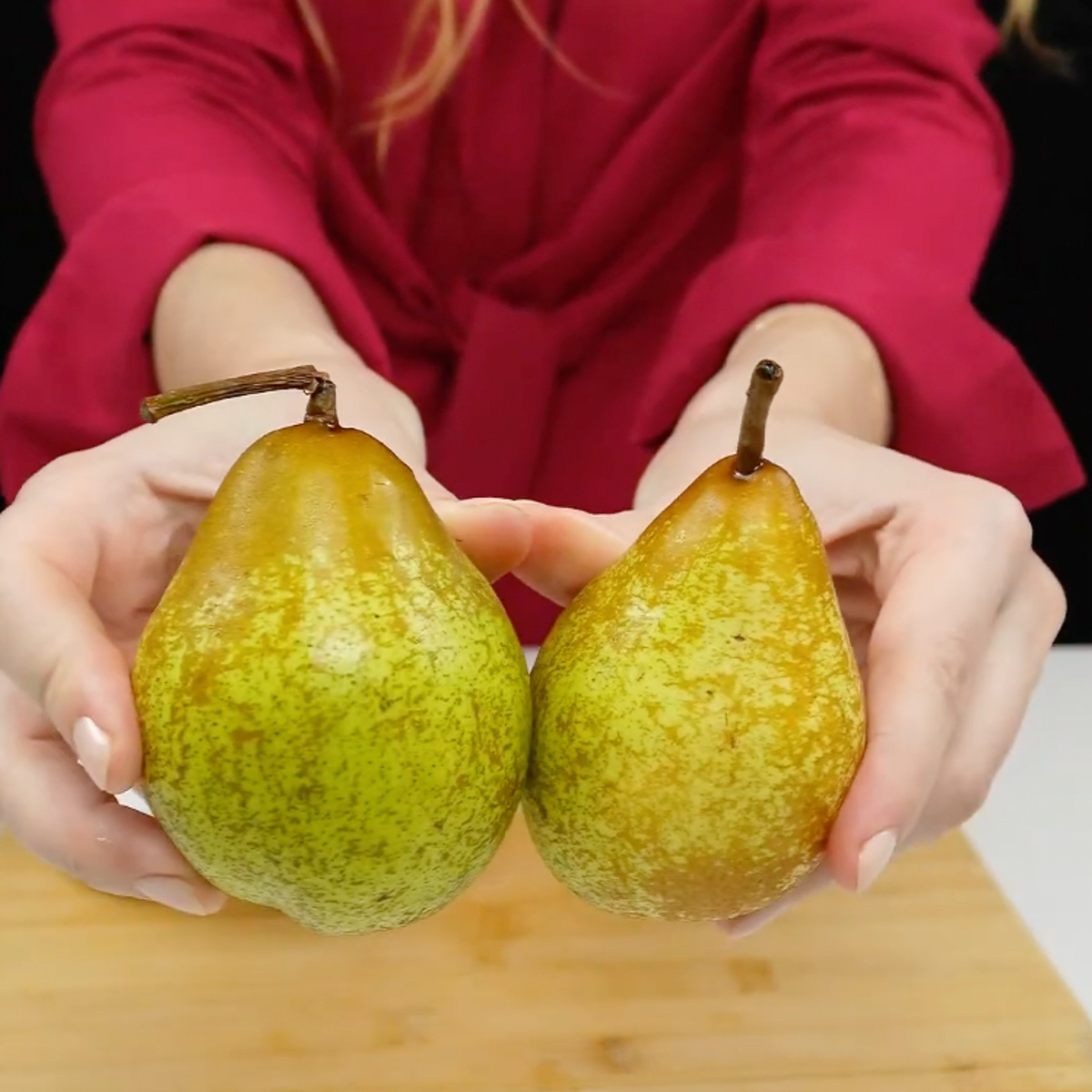
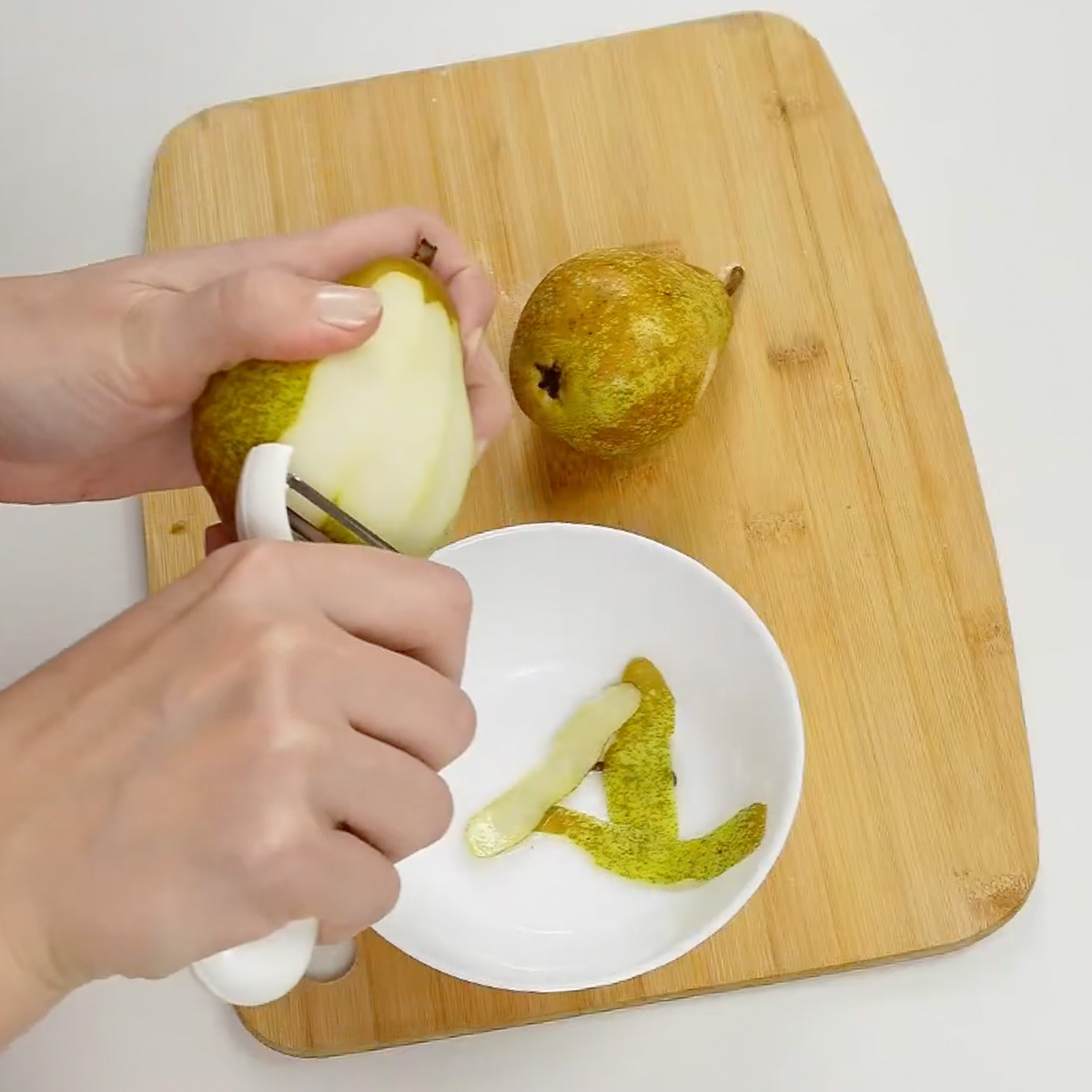
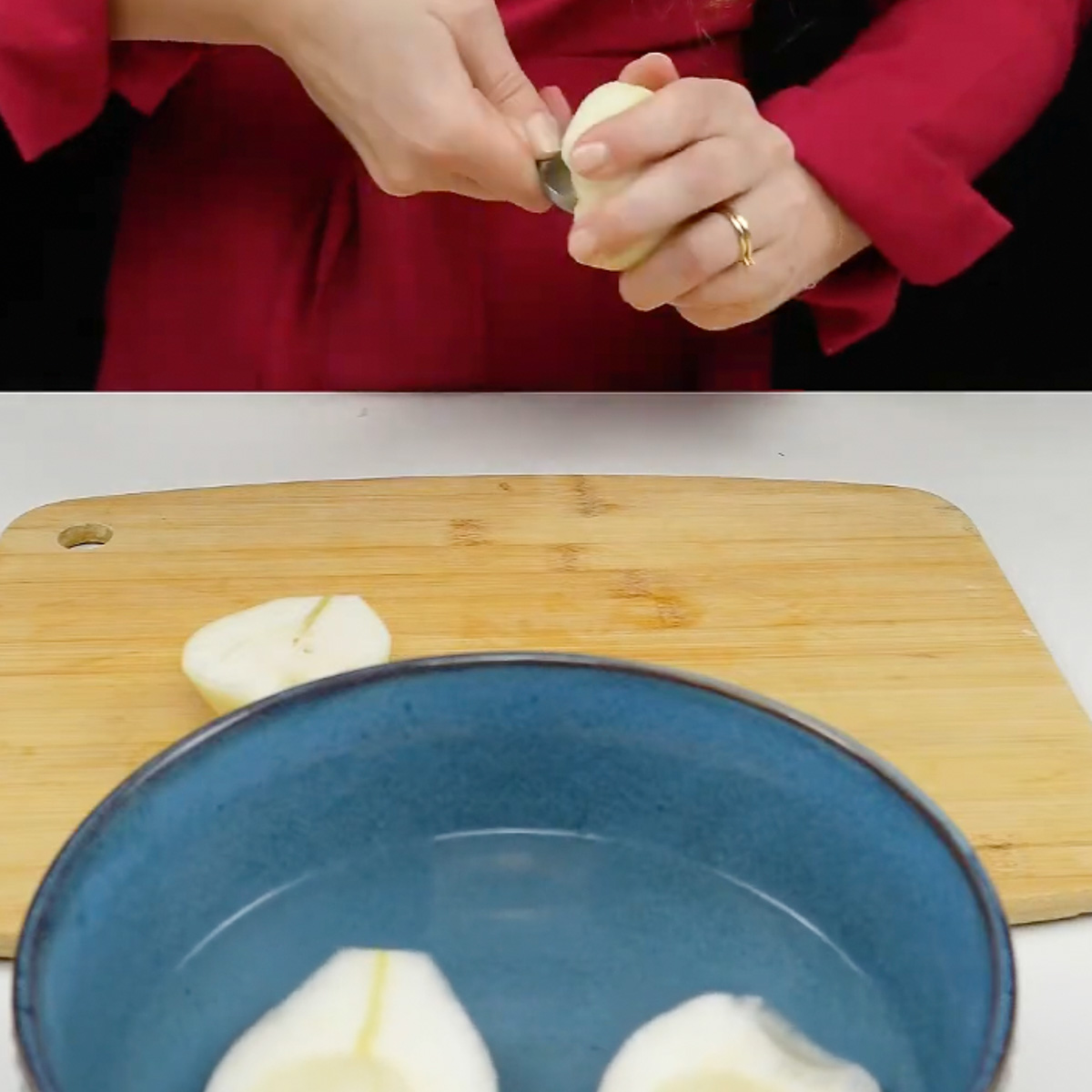
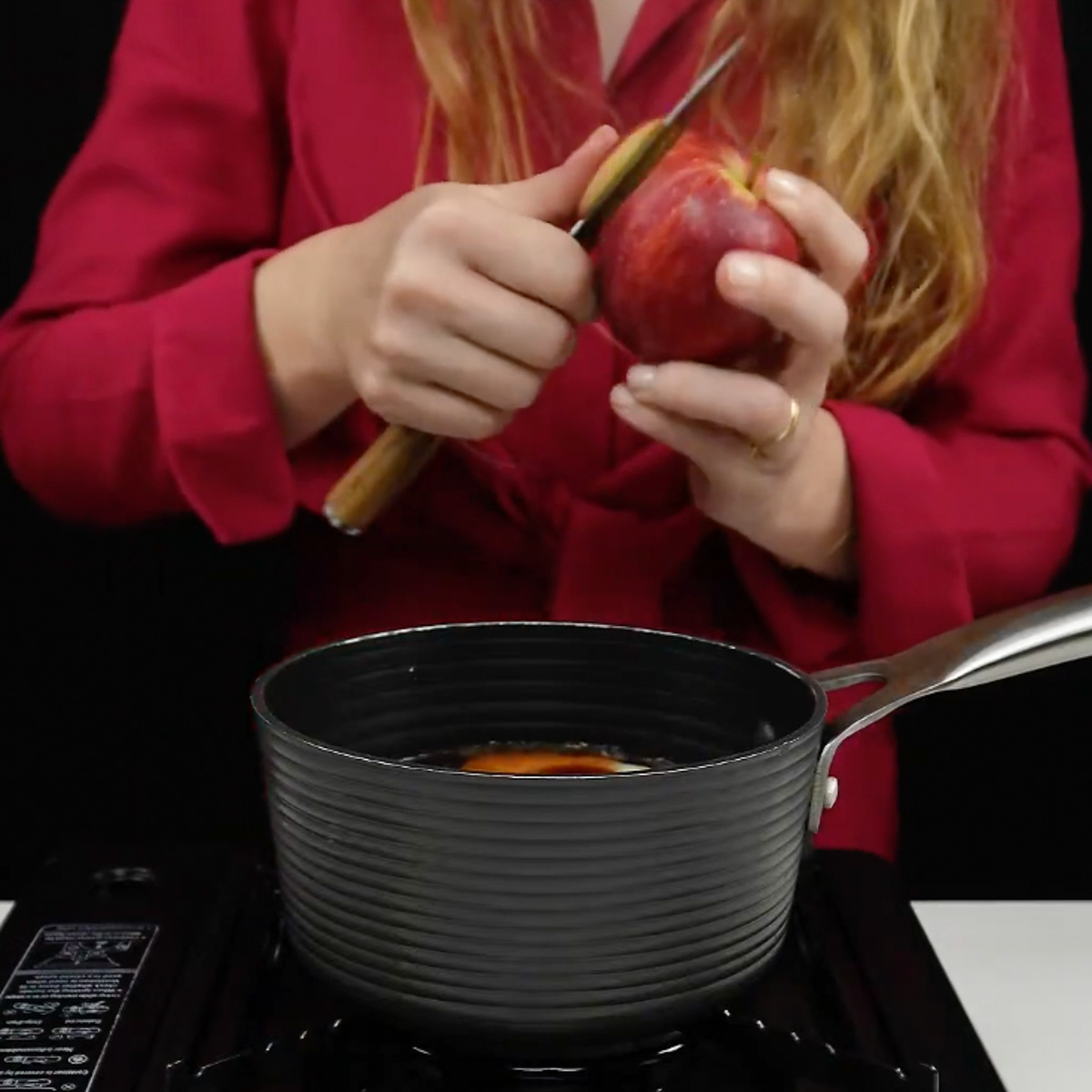
Step 1. Prepare the pears 3 minutesPeel the pears, and slice it in half lengthwise, and use a melon baller to scoop out the central, round area that contains the seeds. Place pears into a bowl with cold water, so they still firm. |
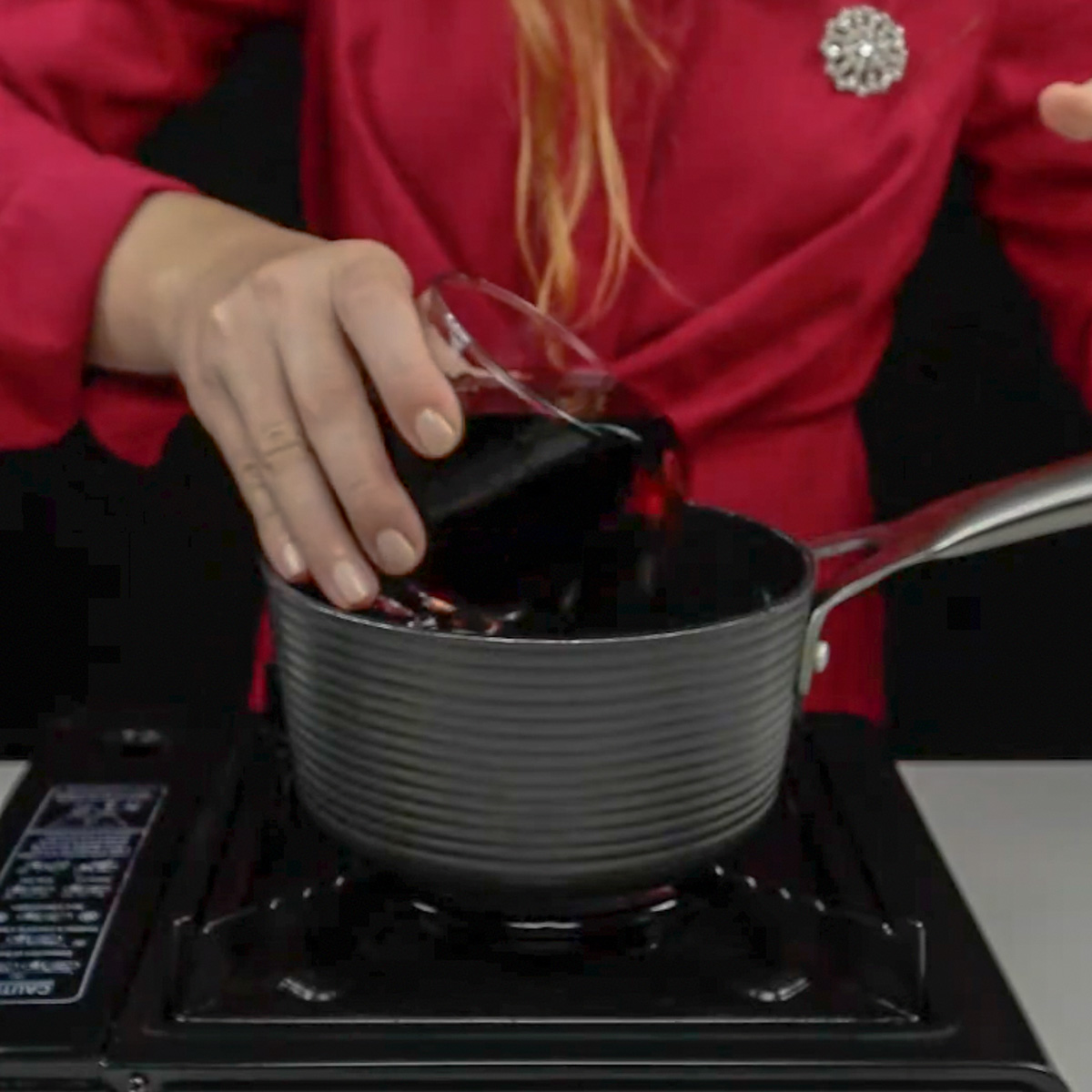
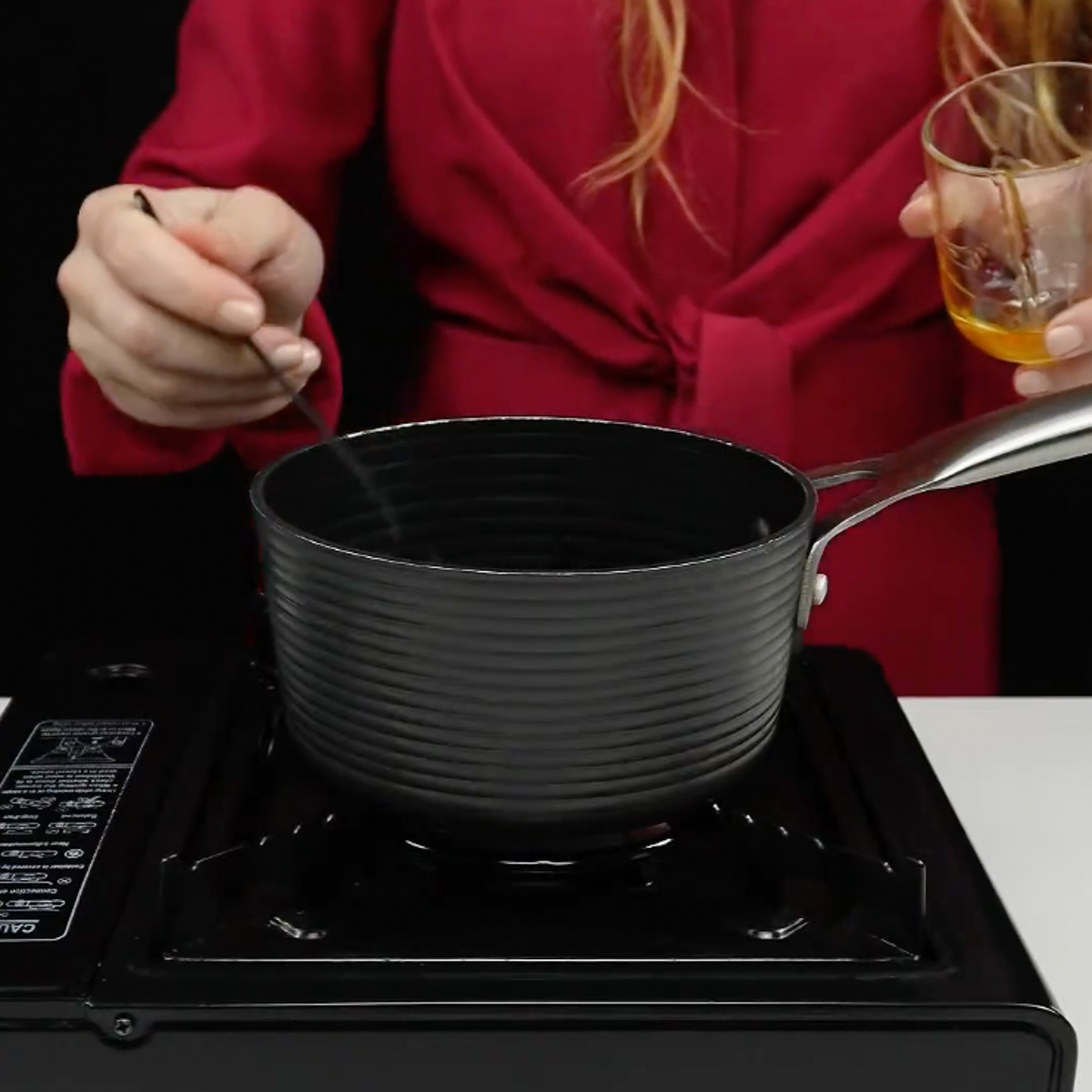
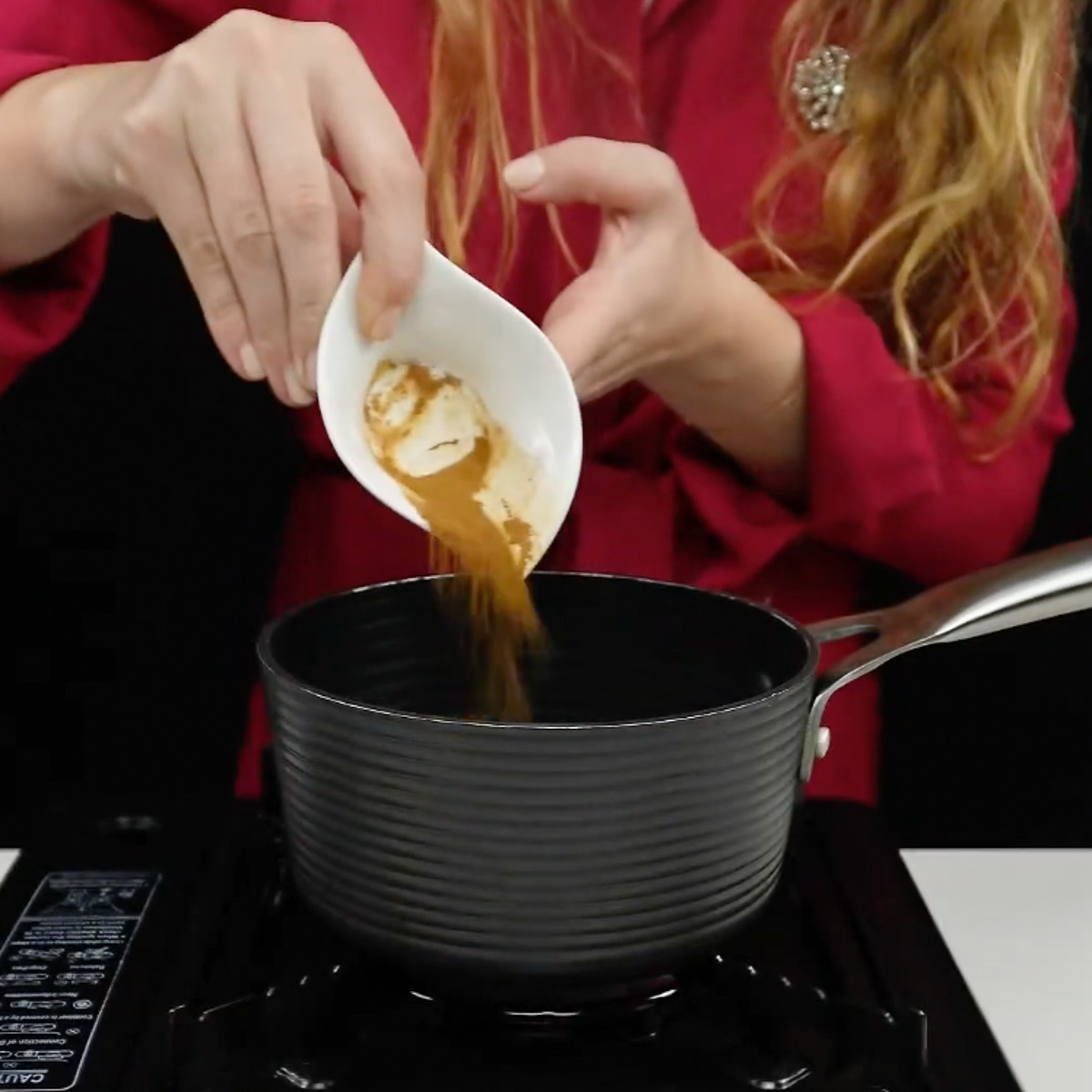
Step 2. Make the poaching liquid 2 minutesIn a medium saucepan, combine the Port wine, honey, cinnamon stick, lemon zest, lemon juice, and vanilla sugar. Bring to a gentle simmer over medium heat, stirring to dissolve the honey and sugar. |
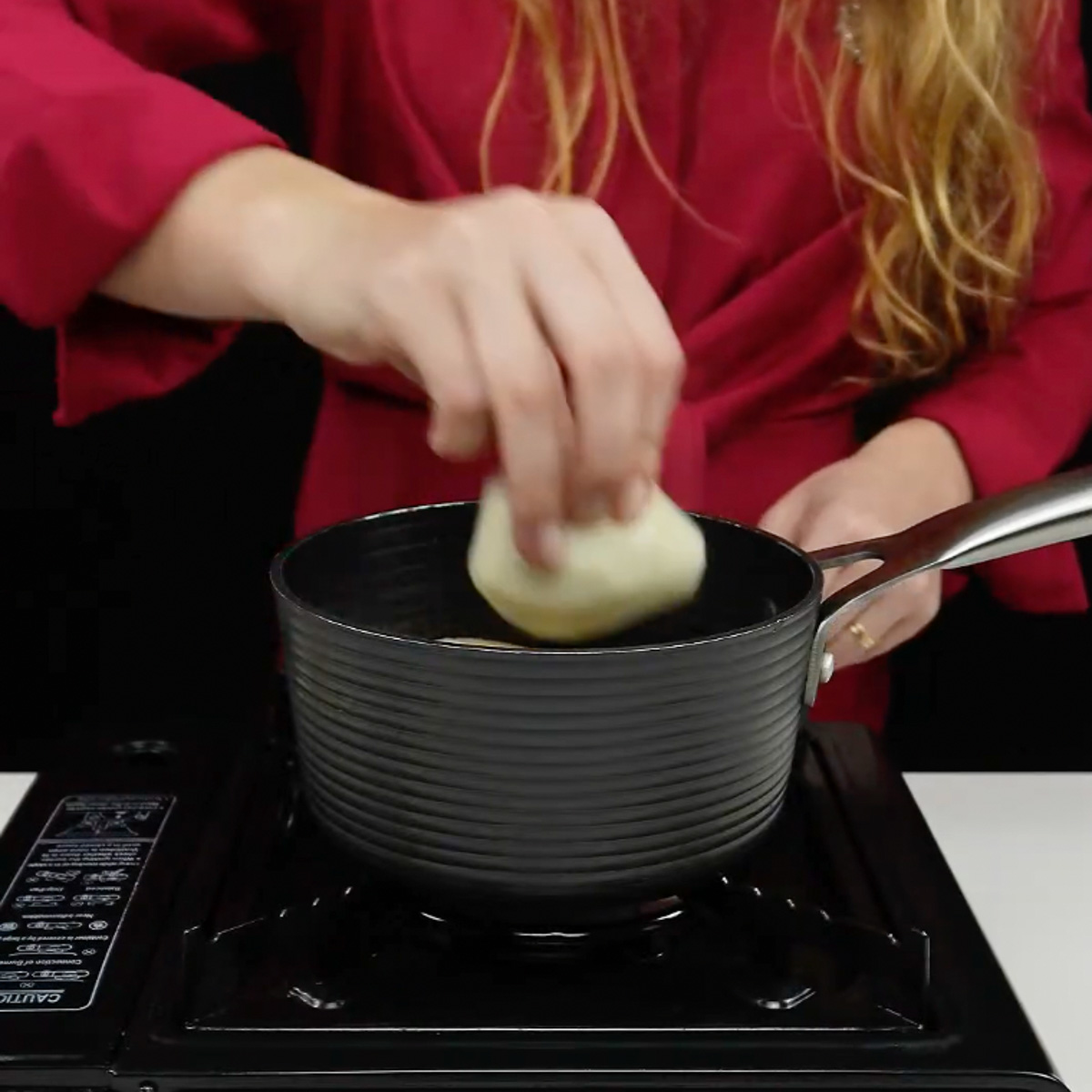
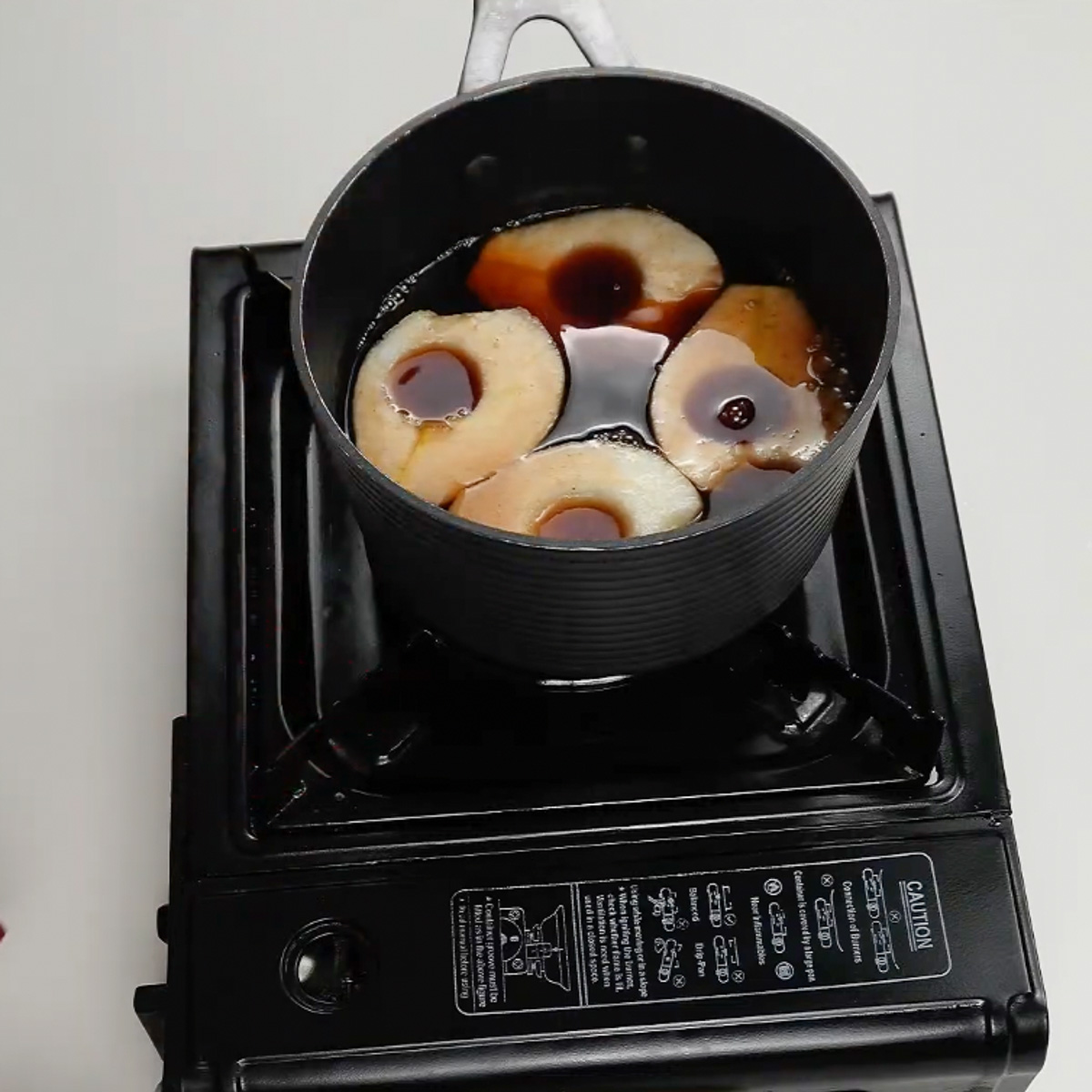
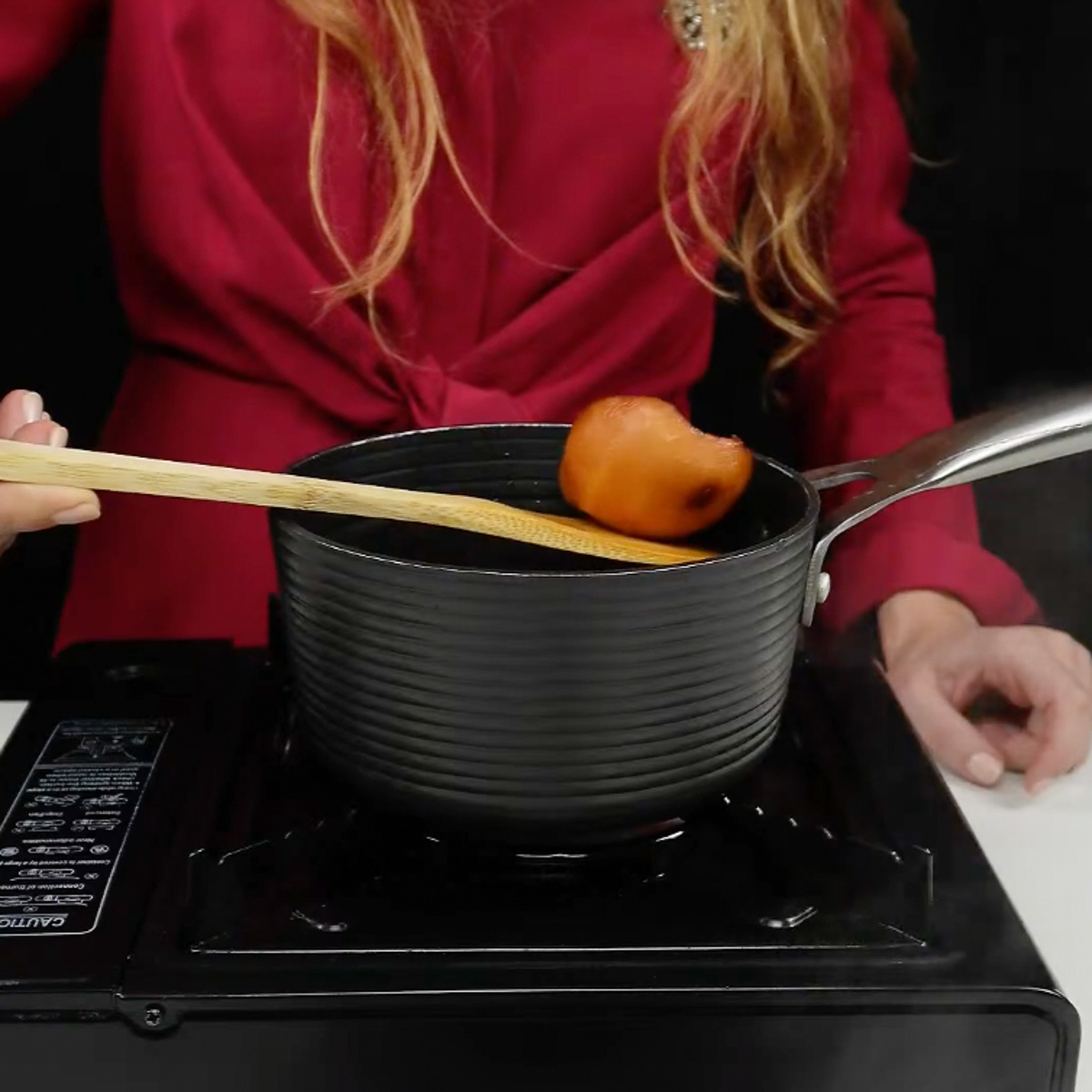
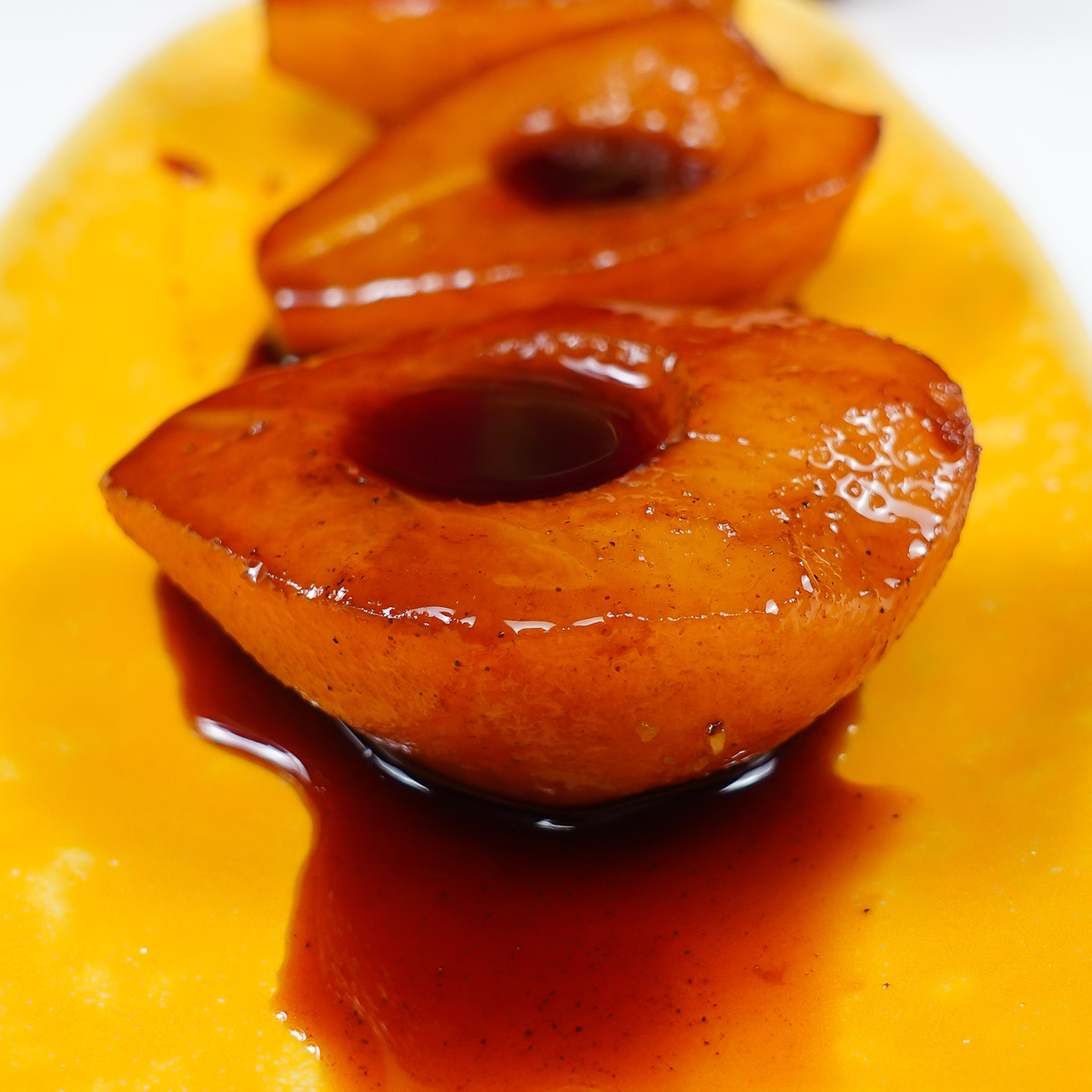
Step 3. Poach the pears 20 minutesCarefully add the pears to the simmering liquid. Add the apple slices if using. Reduce heat to low, and simmer for 15–22 minutes, turning the pears occasionally to ensure even color and flavor. Pears are done when a knife slides in easily but the fruit still holds its shape. Remove the pears and apple slices from the pan and set them upright on a serving plate. Increase heat to medium-high and boil the remaining liquid until it thickens into a glossy syrup, about 8–12 minutes. |
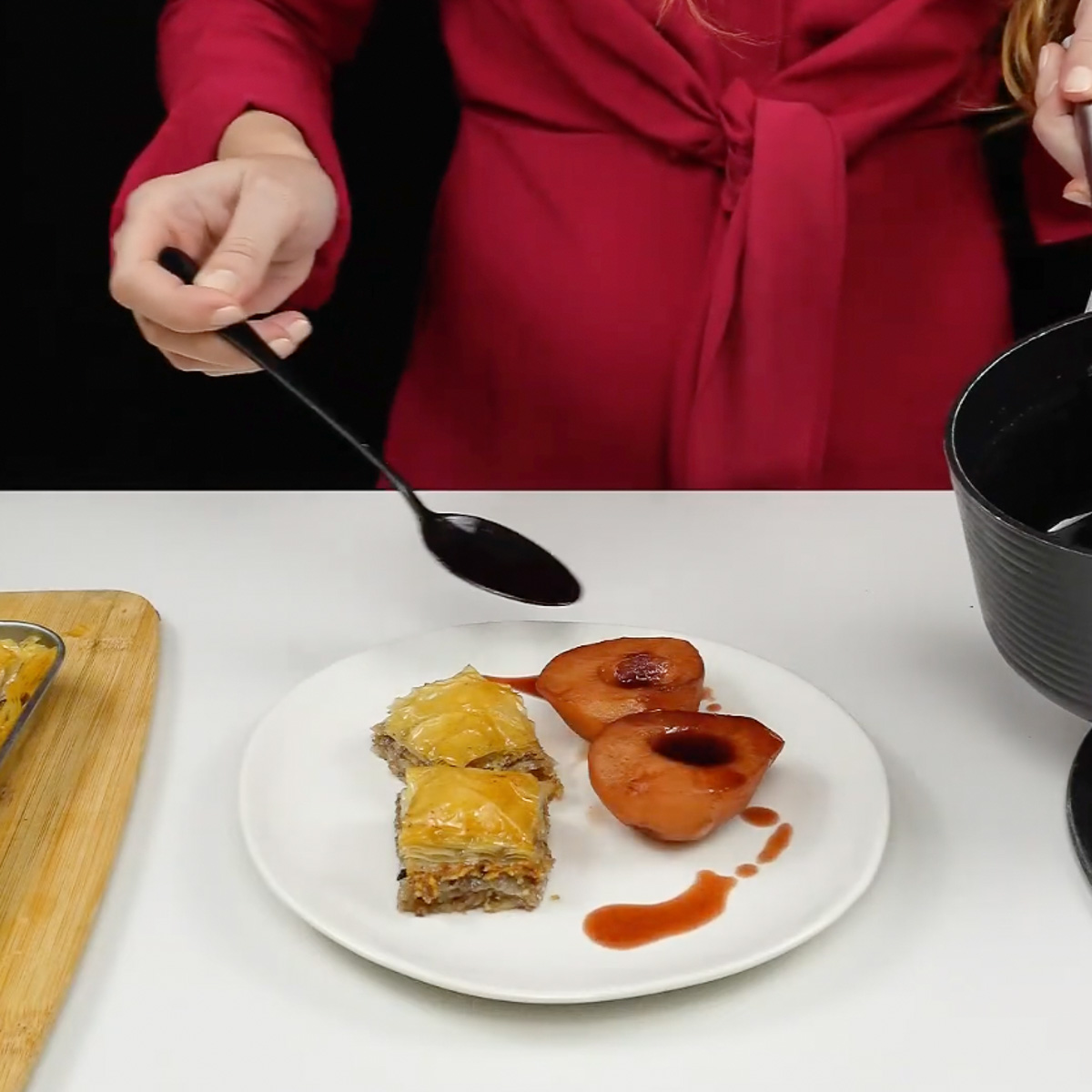
Step 4. Serve 2 minutesPour the syrup over the pears and serve warm. I serve them with apple baklava and delicious syrup on top of the poached pears. Enjoy! |
What makes the Port Wine Poached Pears recipe such a special dessert is its combination of simplicity, elegance, and the deep, comforting flavors that develop during the poaching process. This recipe doesn’t require many ingredients, yet the results feel luxurious and restaurant-worthy.
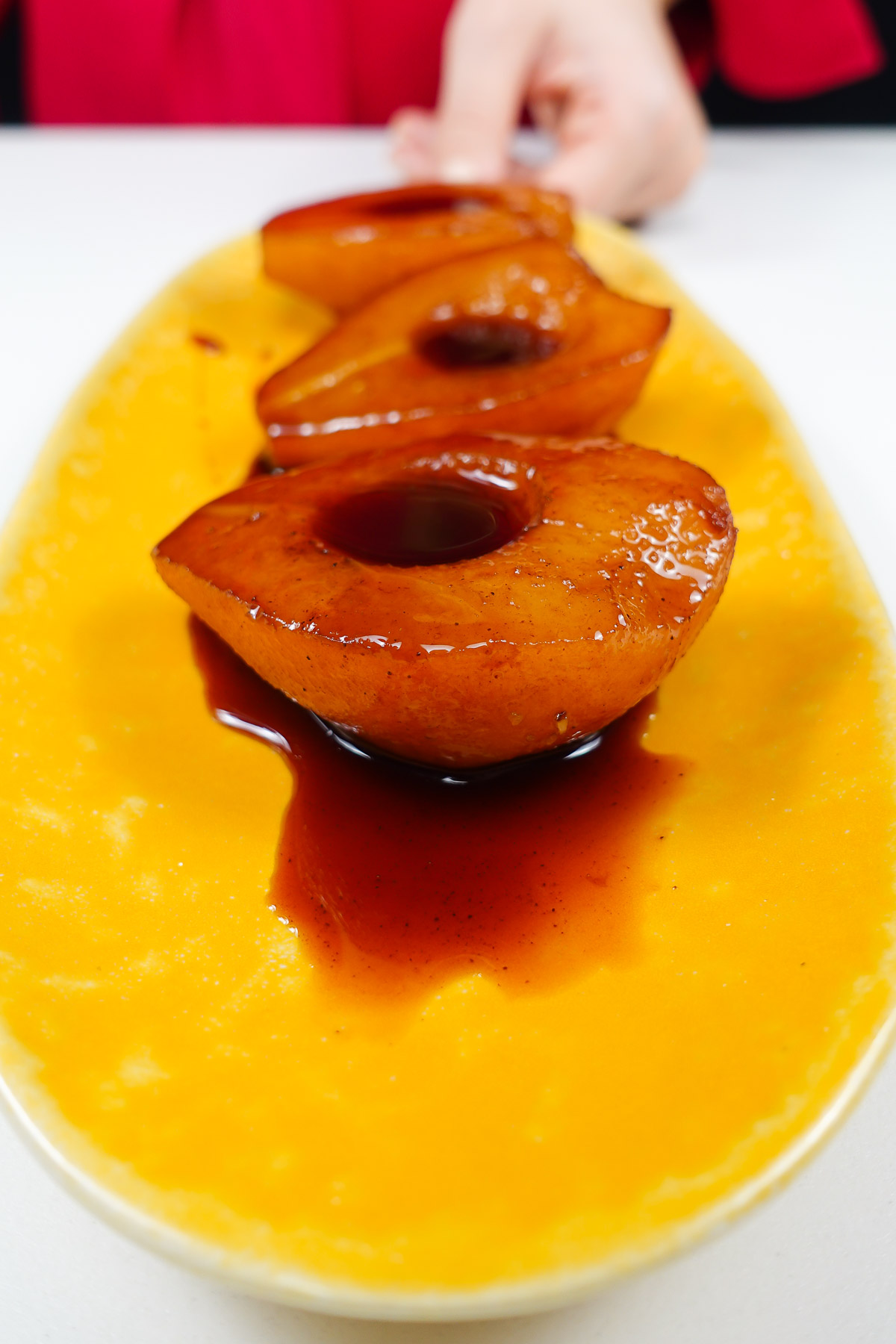
The warm notes of Port wine, enriched by cinnamon, honey, and vanilla sugar, elevate the fruit, while the lemon juice and zest balance the sweetness with a hint of brightness. The addition of a few slices of apple during poaching subtly layers textures and flavors, making each bite complex yet harmonious.
Which season is this recipe best for?
The best season for Port Wine Poached Pears is fall through winter, roughly from October to January, when pears are at their peak in flavor and texture. During this time, the fruit is firm enough to hold its shape while poaching but sweet enough to complement the rich, spiced syrup.
While you can find pears year-round in many supermarkets, seasonal pears tend to be more flavorful and aromatic, which directly impacts the final taste of your poached dessert.
Where can I buy the ingredients for this recipe?
All the ingredients for this recipe are widely available, but quality matters.
Pears can be purchased at farmers’ markets, specialty grocers, or well-stocked supermarkets; for the best flavor, look for firm, ripe varieties like Bosc or Conference.
Port wine is available at most liquor stores or wine shops; choose a ruby or tawny Port for a deep color and fruity richness. Cinnamon sticks, lemon zest, lemon juice, and vanilla sugar are common pantry staples, but using fresh lemon juice and a natural vanilla product enhances the aroma and taste.
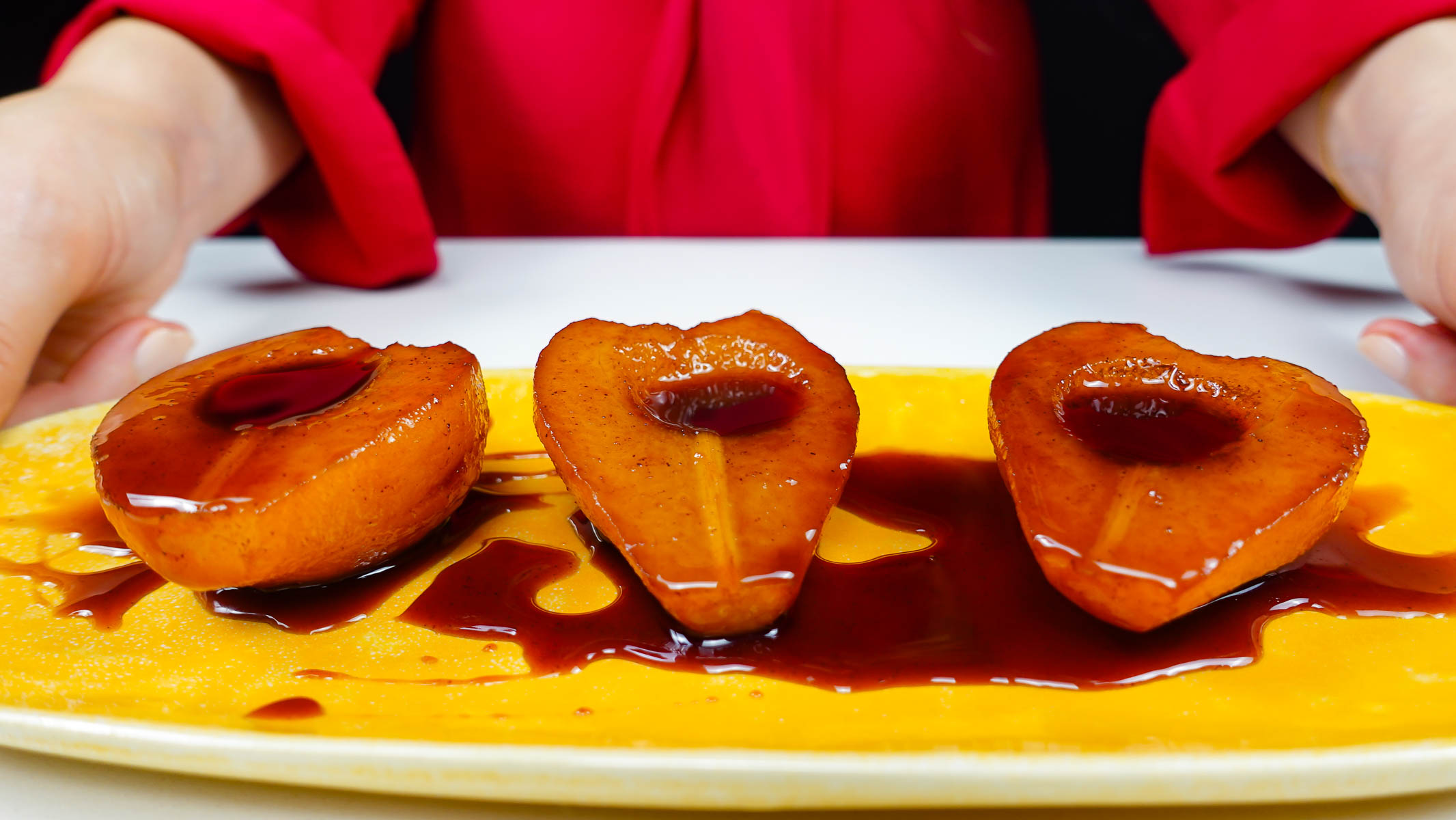
For the optional apple slices, choose a firm apple like Granny Smith or Honeycrisp to contrast the pears’ sweetness.
Can I substitute the ingredients in this recipe?
Yes, some ingredients can be substituted, but each change will subtly alter the flavor and texture. For pears, any firm variety works, though softer pears may break apart during poaching.
Instead of honey, you can use maple syrup or agave, though this will affect the richness of the syrup.
If you don’t have a cinnamon stick, ground cinnamon can be used, but add it at the end to avoid overpowering the fruit. Lemon zest and juice can be replaced with orange zest and juice for a slightly sweeter, more fragrant profile.
Vanilla extract can be substituted with 1 teaspoon of vanilla sugar. For apple slices, any firm apple can work, but avoid very soft or overly sweet varieties that may unbalance the dessert.
Port wine is essential to achieve the characteristic deep color and flavor, but a robust red wine sweetened with an extra teaspoon of sugar can be used in a pinch, though the taste will be noticeably different.
Can I make this recipe part of a menu?
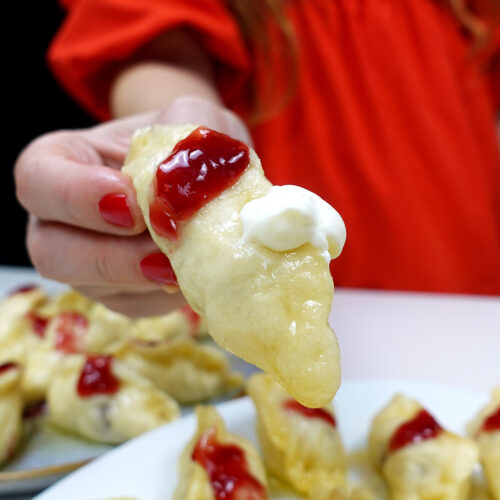
Absolutely. Port Wine Poached Pears can be a sophisticated centerpiece for a dessert course in a multi-course menu. You can serve this dessert for a romantic dinner, or a festive holiday spread. I served these pears with apple baklava. You can watch the whole Live stream and see how I make it.
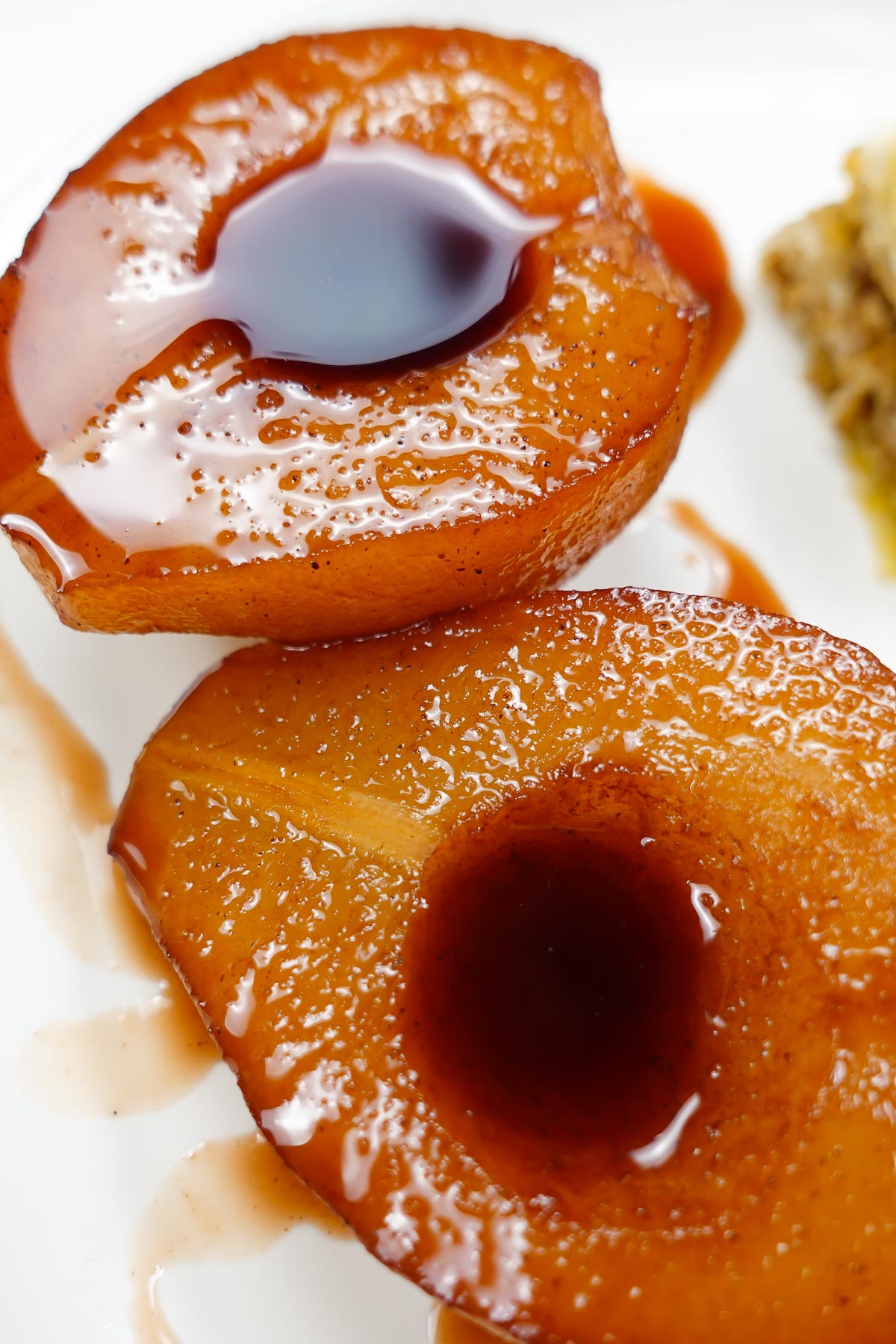
These poached pears pair well with menus that feature roasted meats, nutty flavors, or spiced elements, balancing savory richness with sweet warmth. These Gourmet Meatballs with Black Truffle or Breaded Beef Steak will be a perfect main dish.
You can also incorporate the poached fruit into other dishes, such as topping pancakes, Pavlova, tarts, or panna cotta.
Recipe tips & tricks
Here are my tips on how to make this recipe perfect:
- Start with firm, ripe pears; overripe fruit will disintegrate during poaching.
- Rotate the pears periodically to ensure even color and flavor absorption.
- Use the lemon zest and juice to balance the sweetness and add brightness, but avoid adding too much juice, which can affect the syrup’s texture (it will make it thinner).
- Including apple slices adds subtle sweetness and complexity; make sure they are thinly sliced and firm.
- If desired, reduce the syrup slightly more for a thicker consistency that works beautifully with the fruit.
How long can I store this recipe leftovers?
Leftover poached pears and syrup can be stored in an airtight container in the refrigerator for up to 4 days.
Keep the pears upright if possible to maintain their shape, and pour the syrup over them to prevent drying out. Before serving, gently reheat the pears in the syrup over low heat; avoid boiling, as this can break down the fruit.
The flavors often intensify after a day or two, making leftovers even more aromatic.
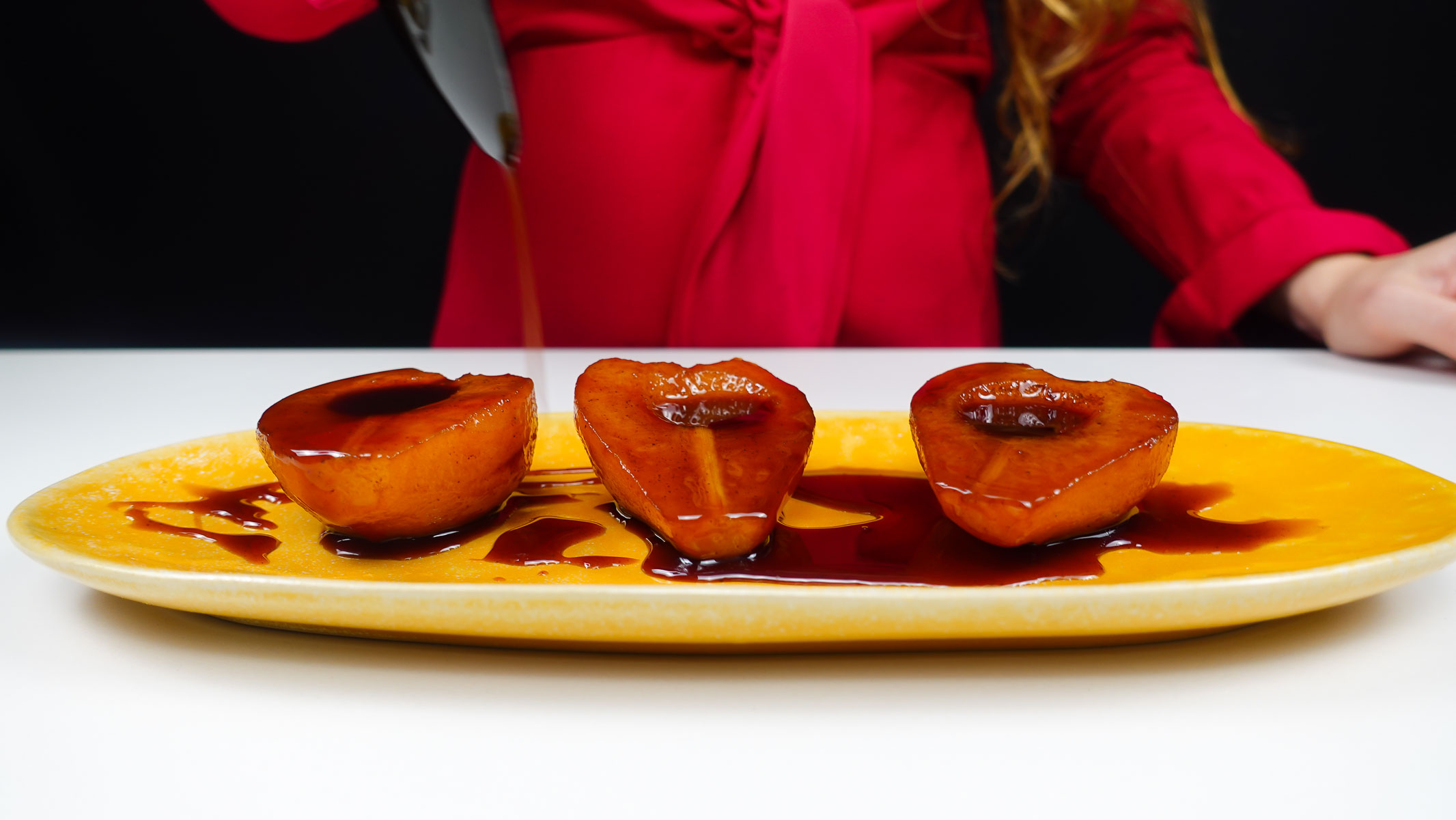
If you want to freeze them, remove the syrup and store the pears individually in freezer-safe containers; they may lose some texture upon thawing, so reheating in fresh syrup will provide better results.
Which drinks would you pair it with?
Delicious Port Wine Poached Pears naturally pair with wines, particularly sweet or fortified varieties.
A glass of the same ruby Port used in poaching complements the dessert beautifully, echoing the warm, fruity notes. Tawny Port offers a nuttier, caramel-like flavor that enhances the honey and vanilla sugar flavors.
Light sparkling wines such as Moscato d’Asti or São Domingos Doce can provide a playful contrast, while a warm cup of spiced tea, chai, or even espresso works for a non-alcoholic pairing.
Try to pair the sweet pears with drinks that help balance the sweetness of the syrup with pears.
My Port Wine Poached Pears are more than just a simple dessert; they’re elegant, easy to make, and delicious – perfect for your family and loved ones. Serve them on their own or pair them with other desserts for a more complex flavor. Share your results in the comments below!


2 comments Hide comments
Made this one, too. Never thought pears would be this good. Thanks a lot for video btw – it really helped.
So happy to hear that, Franceska! Enjoy!