
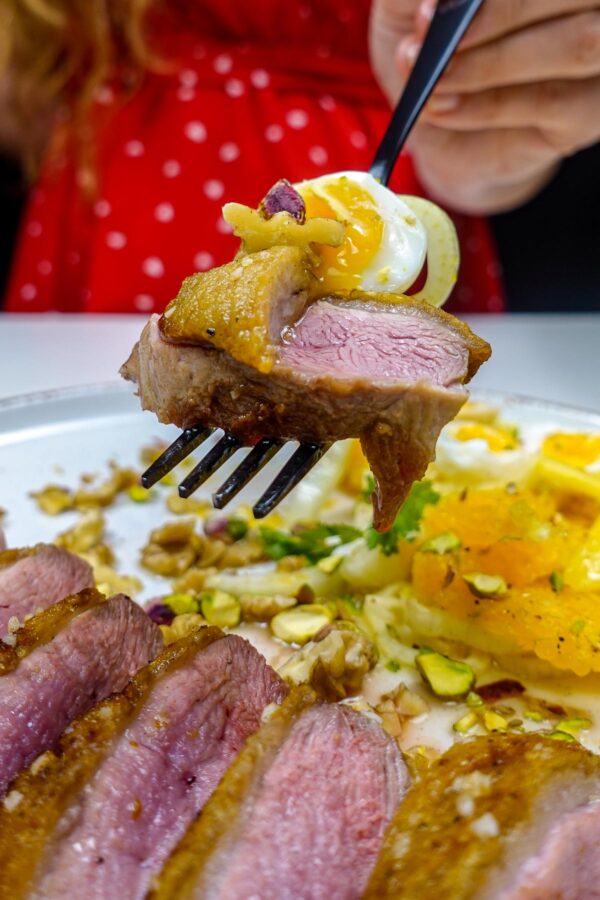
Crispy Duck Breast Salad with Fennel and Orange
Bright and flavorful duck salad with citrus and nuts
A Mediterranean Crispy Duck Breast Salad with fennel, orange, and pineapple gastrique - bright, rich, and full of flavor balance.
Quick Info:
Latest Review
I am a big fan of duck dishes. Always order them when I am out. This time I decided to make one on my own, and I was really surprised with my result. All thanks to you, Helena - thank you for teaching us gourmet cooking. No difference with the restaurant food whatsoever, if not better.

Ingredients
- 2 duck breasts6 oz (150 g) each
- 1 fennellarge
- 1 orange
- 1/2 pineapple8 oz (200g)
- 2 tablespoons walnuts
- 2 tablespoons pistachios
- 6 quail eggs
- 2 tablespoons brown sugar
- 1 tablespoon white wine vinegar
- to taste salt
- to taste fresh cracked pepper
- 1 tablespoon olive oil
- 1 teaspoon lemons
- 1/2 teaspoon cumin
This Mediterranean-inspired Crispy Duck Breast Salad with Fennel and Orange is one of those dishes I like to bring out for dinner parties when I want something that feels both effortless and a little luxurious.
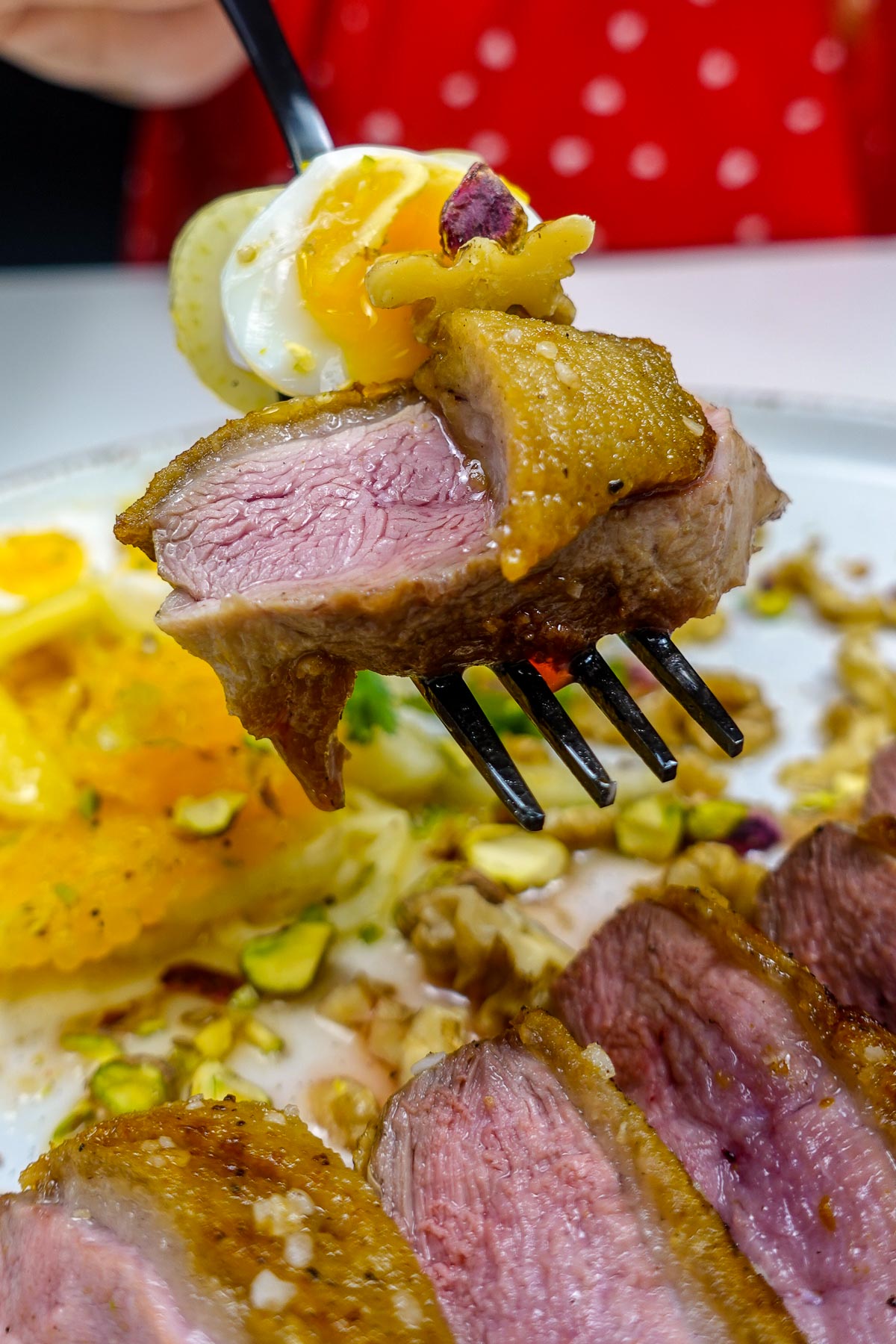
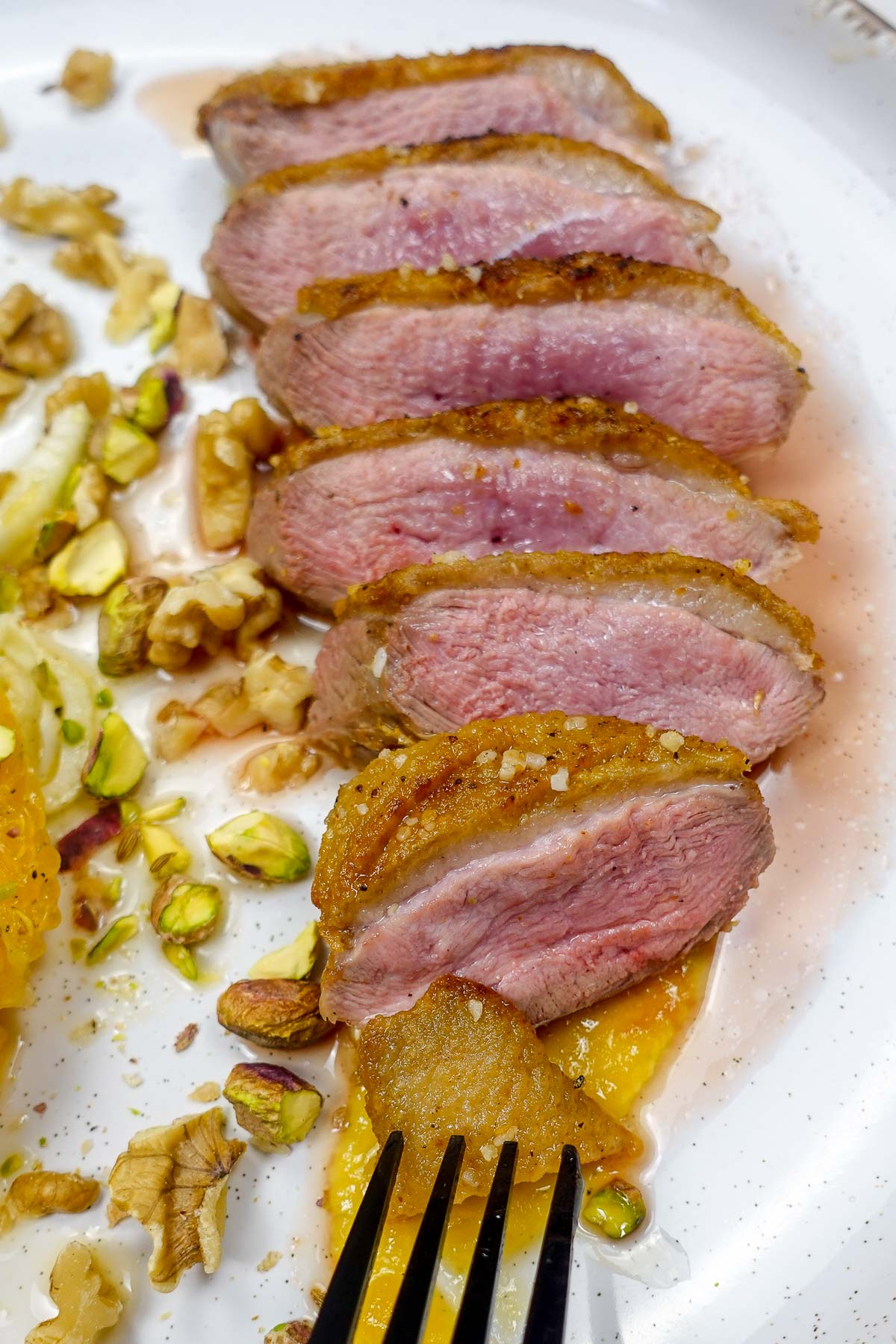
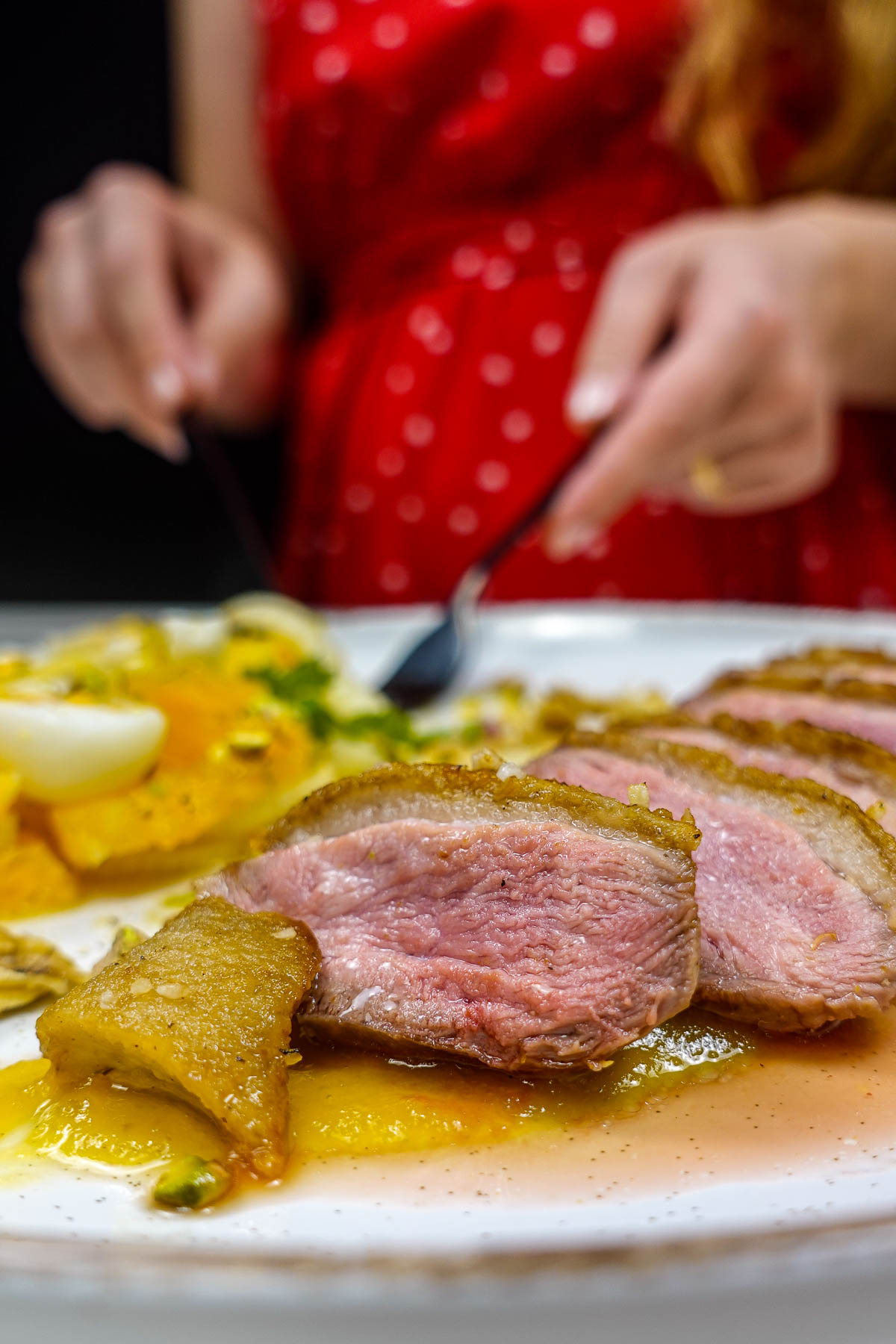
The duck is cooked so the skin turns properly crisp – deep golden, with that delicate crackle you hear the moment your knife goes through it. That richness is balanced by fresh, raw fennel with its light anise note and juicy oranges that cut straight through the fat with brightness and sweetness. The pineapple gastrique ties everything together with a sweet, slightly sharp edge, while soft quail eggs add richness and a final touch of elegance.
It’s a dish built on contrast: hot and cold, rich and fresh, crisp and soft. More than anything, it’s about balance and texture, where every element has a clear role on the plate.

Ingredients
| 2 duck breasts 6 oz (150 g) each |
| 1 fennel large |
| 1 orange |
| 1/2 pineapple 8 oz (200g) |
| 2 tablespoons walnuts |
| 2 tablespoons pistachios |
| 6 quail eggs |
| 2 tablespoons brown sugar |
| 1 tablespoon white wine vinegar |
| to taste salt |
| to taste fresh cracked pepper |
| 1 tablespoon olive oil |
| 1 teaspoon lemons |
| 1/2 teaspoon cumin |
Nutrition per 1 serving
Please note that I am not a nutritionist. The nutrition information is provided for reference only.
How to make Crispy Duck Breast Salad with Fennel and Orange
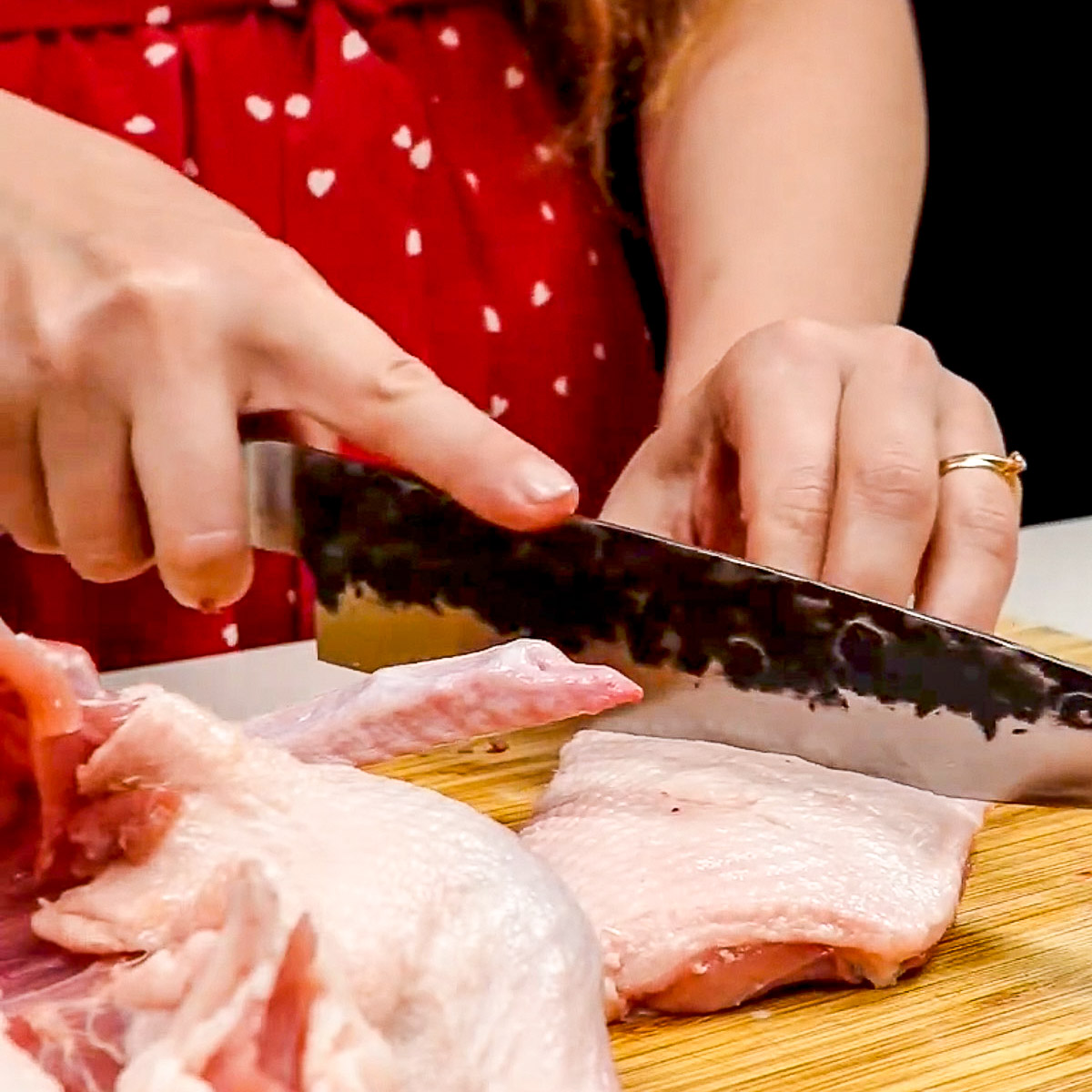
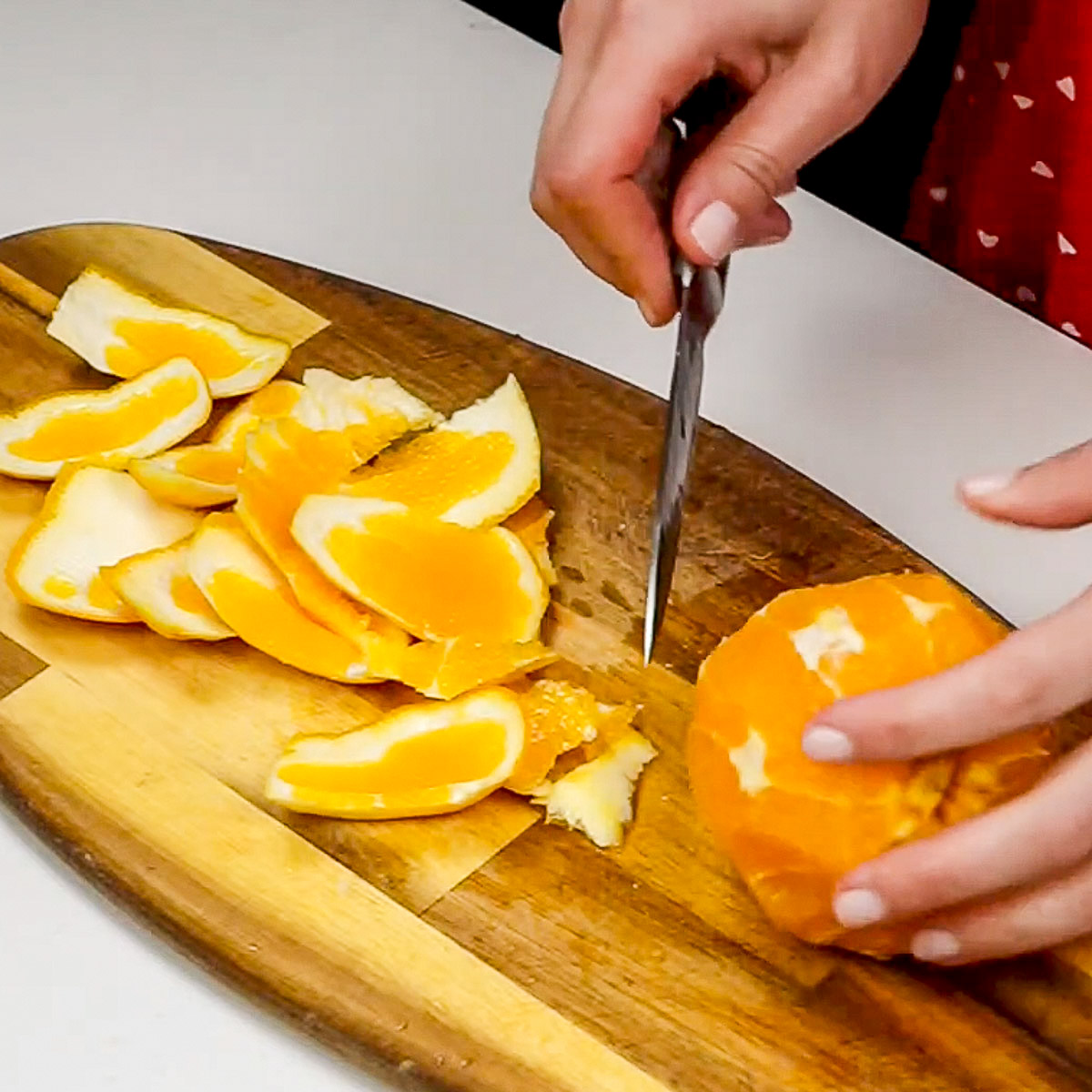
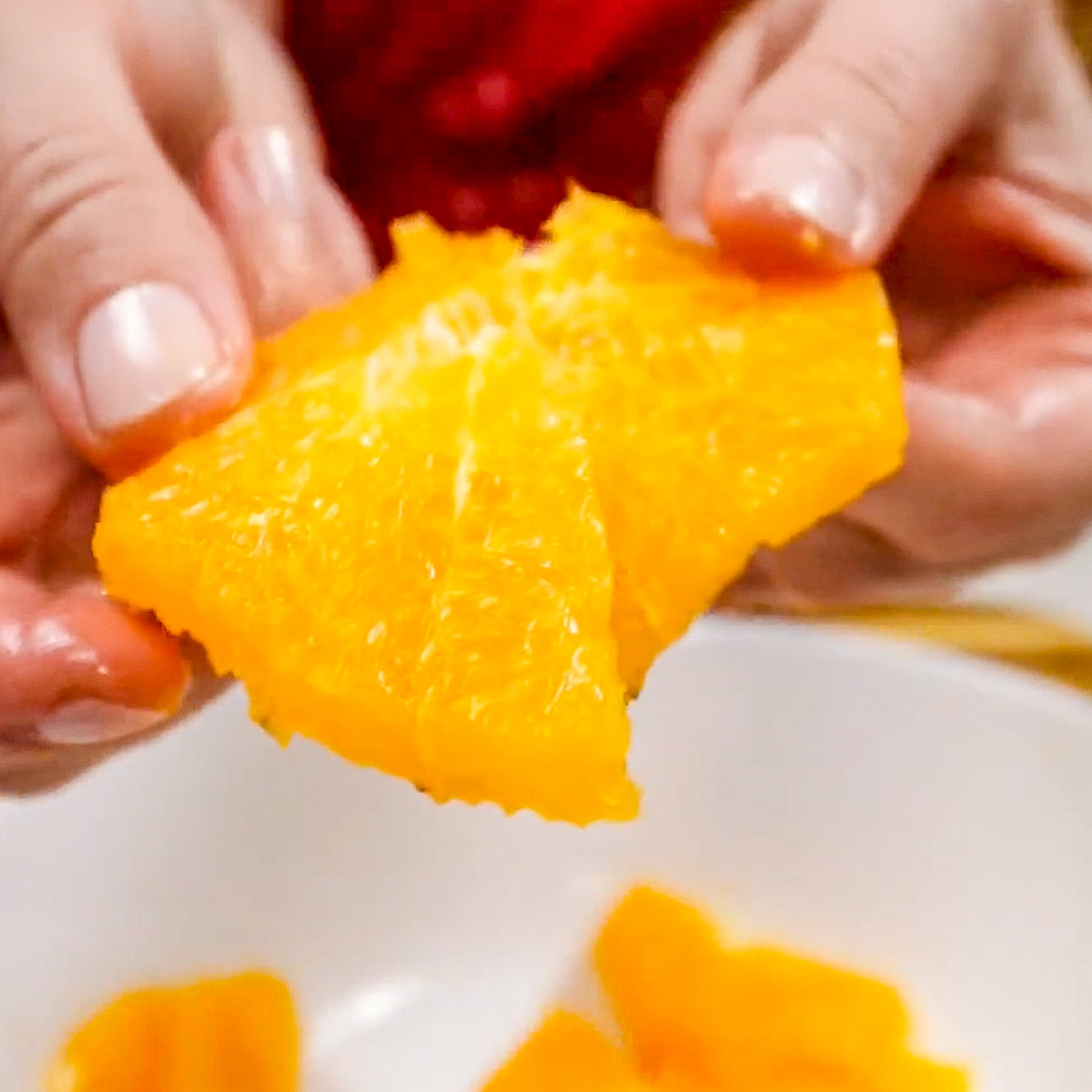
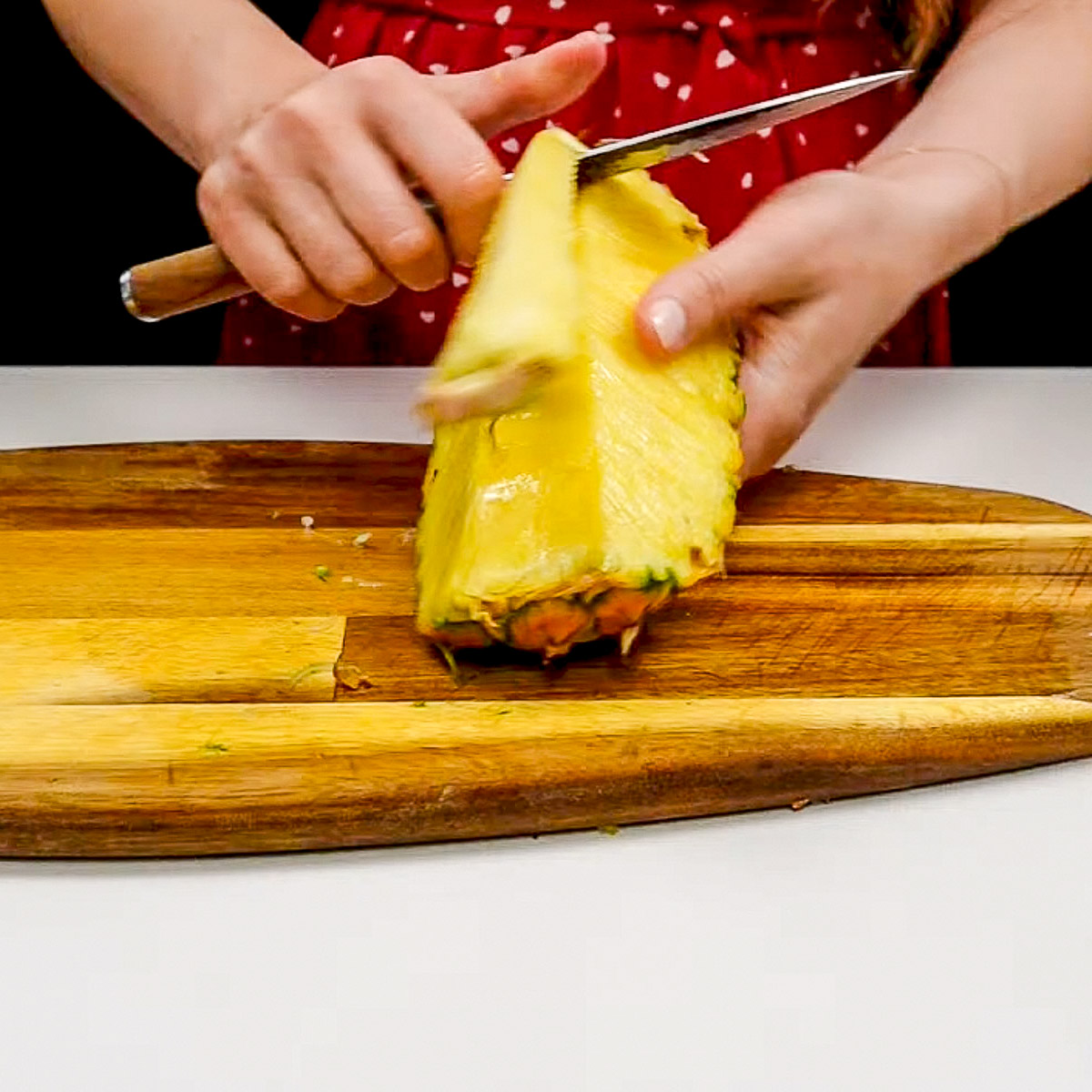
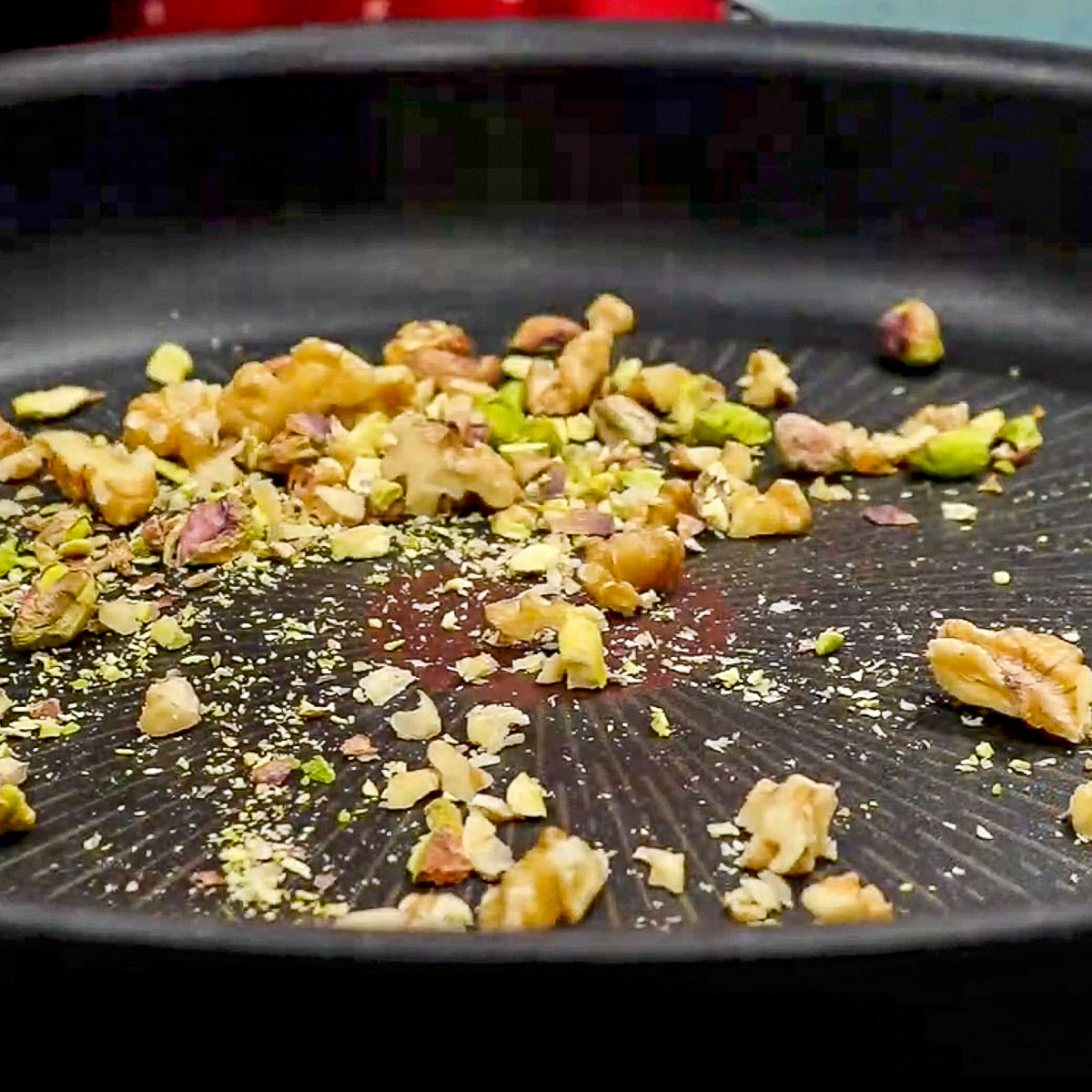
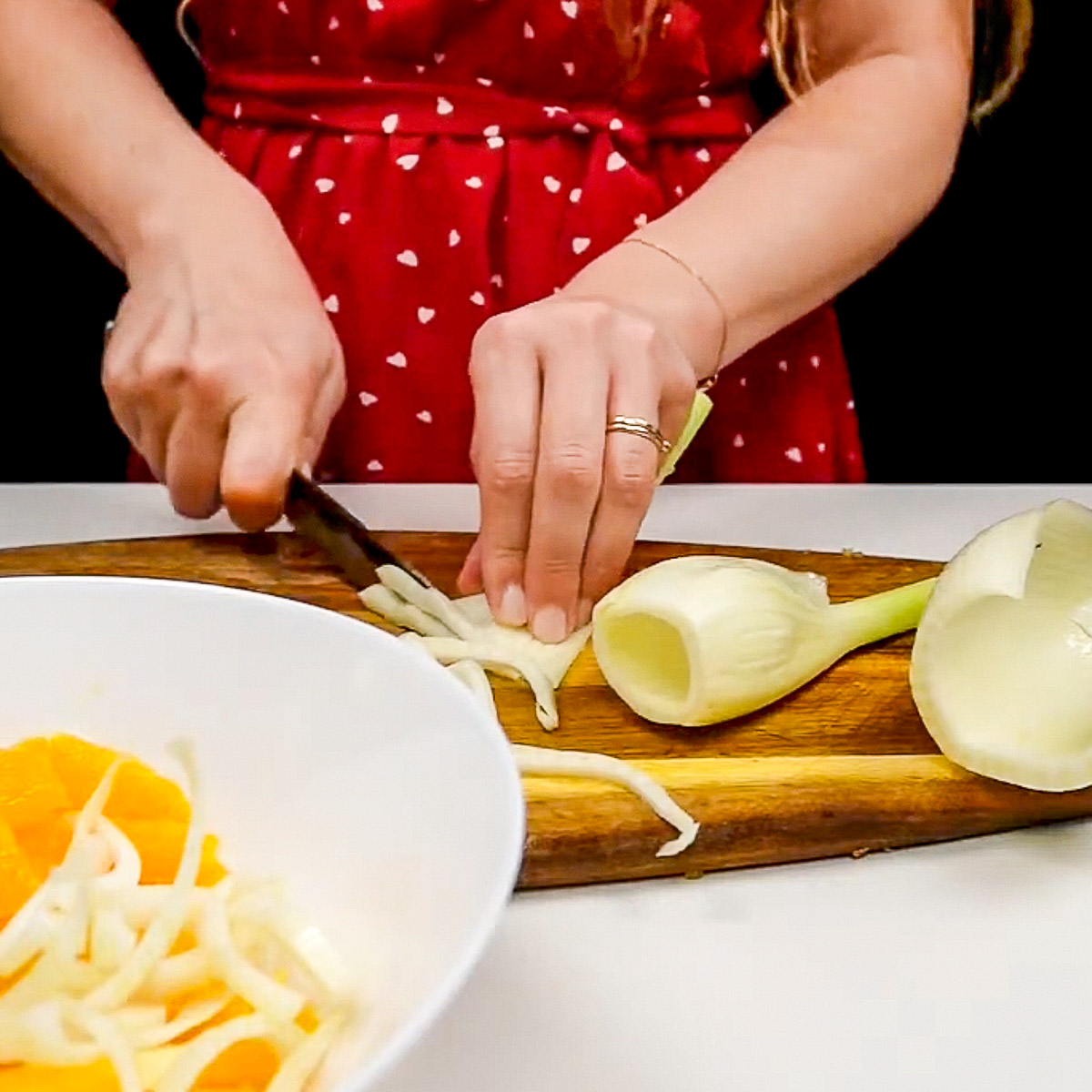
Step 1. Prepare the ingredients 5 minutesScore the duck skin in a diamond pattern without cutting the meat. Season with salt. Slice the fennel, peel the skin on orange, slice orange and 1/4 of pineapple. Roughly chop the pistachios and walnuts. Toss the nuts in a dry pan with cumin seeds and toast gently over medium heat. Stir often so they don’t burn, until they’re fragrant and lightly golden. |
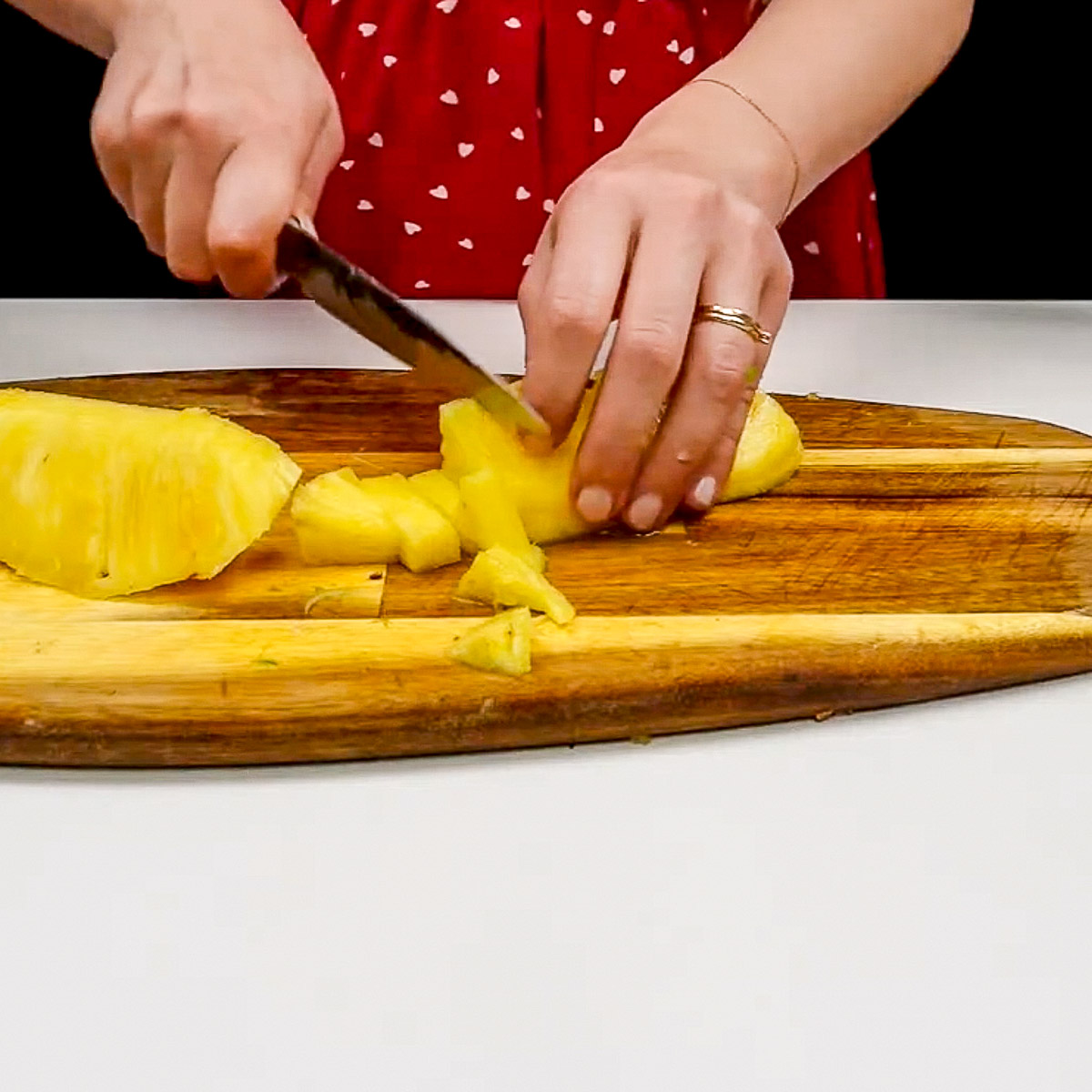
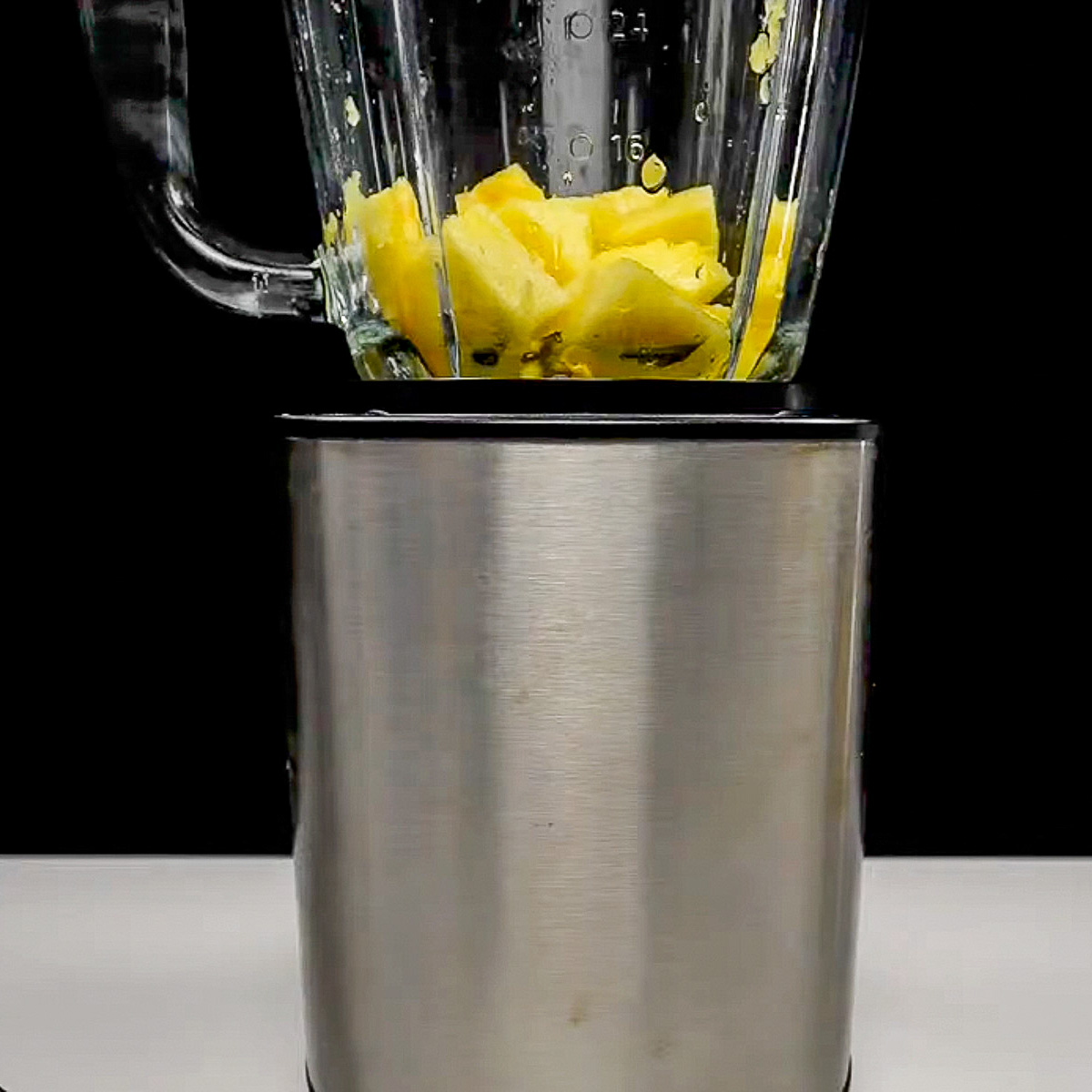
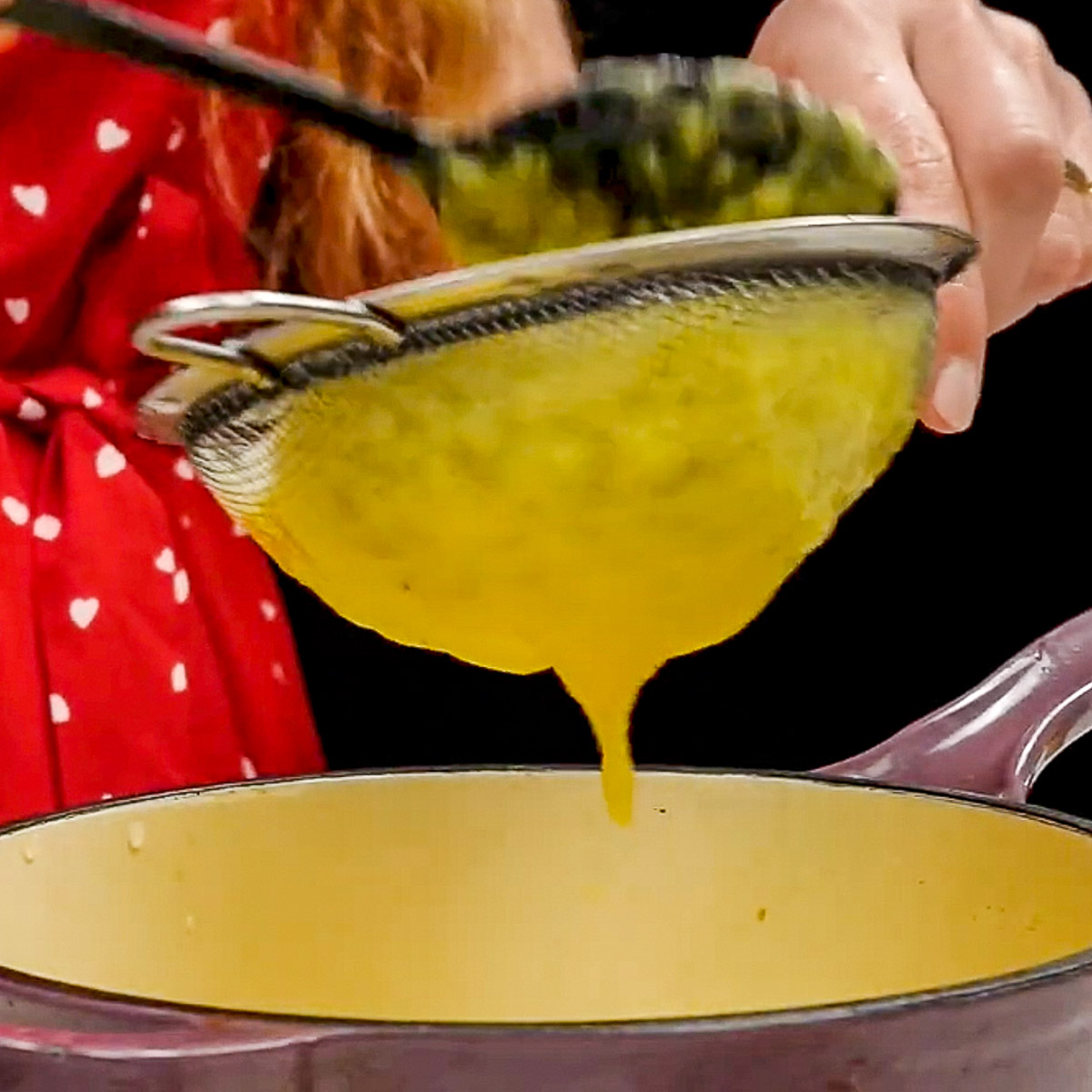
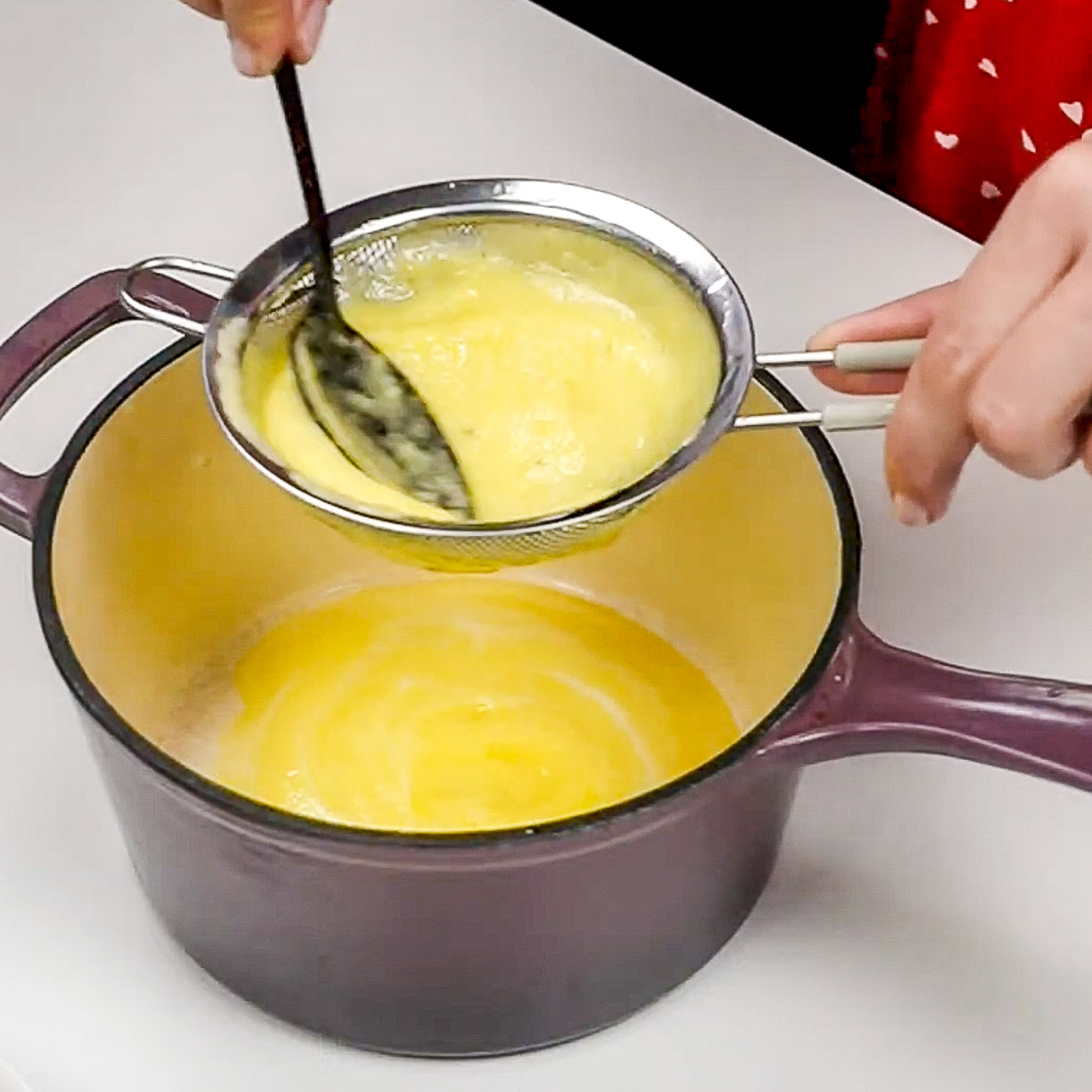
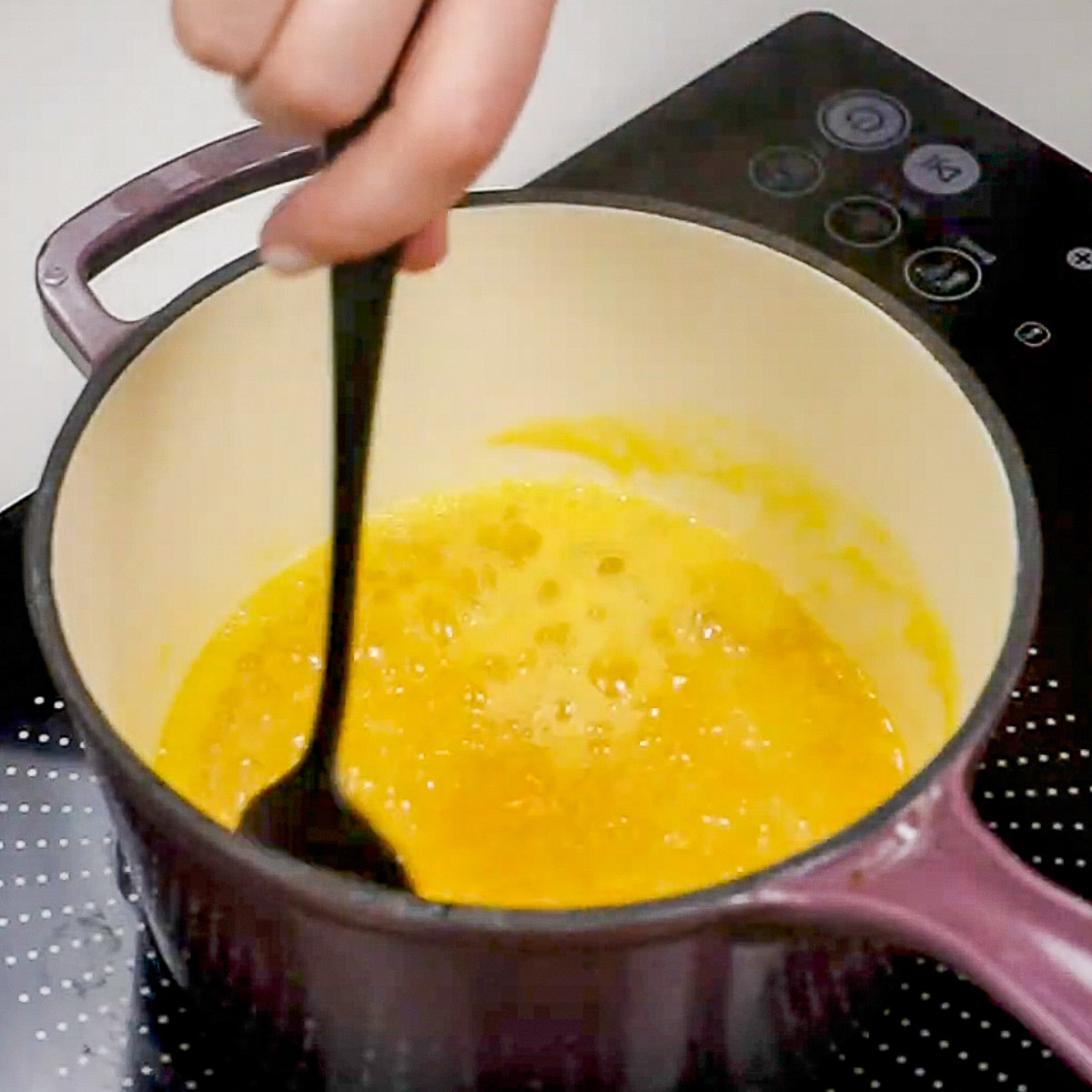
Step 2. Make the Pineapple Gastrique 4 minutesCut the rest of pineapple into chunks and blend until smooth. Strain through a fine sieve to remove the pulp, pressing with a spoon or masher to extract as much juice as possible. Transfer the juice to a small saucepan. Add the white wine vinegar and sugar, then bring to a gentle simmer. Cook until the mixture reduces by half and thickens into a glossy, syrup-like glaze. |
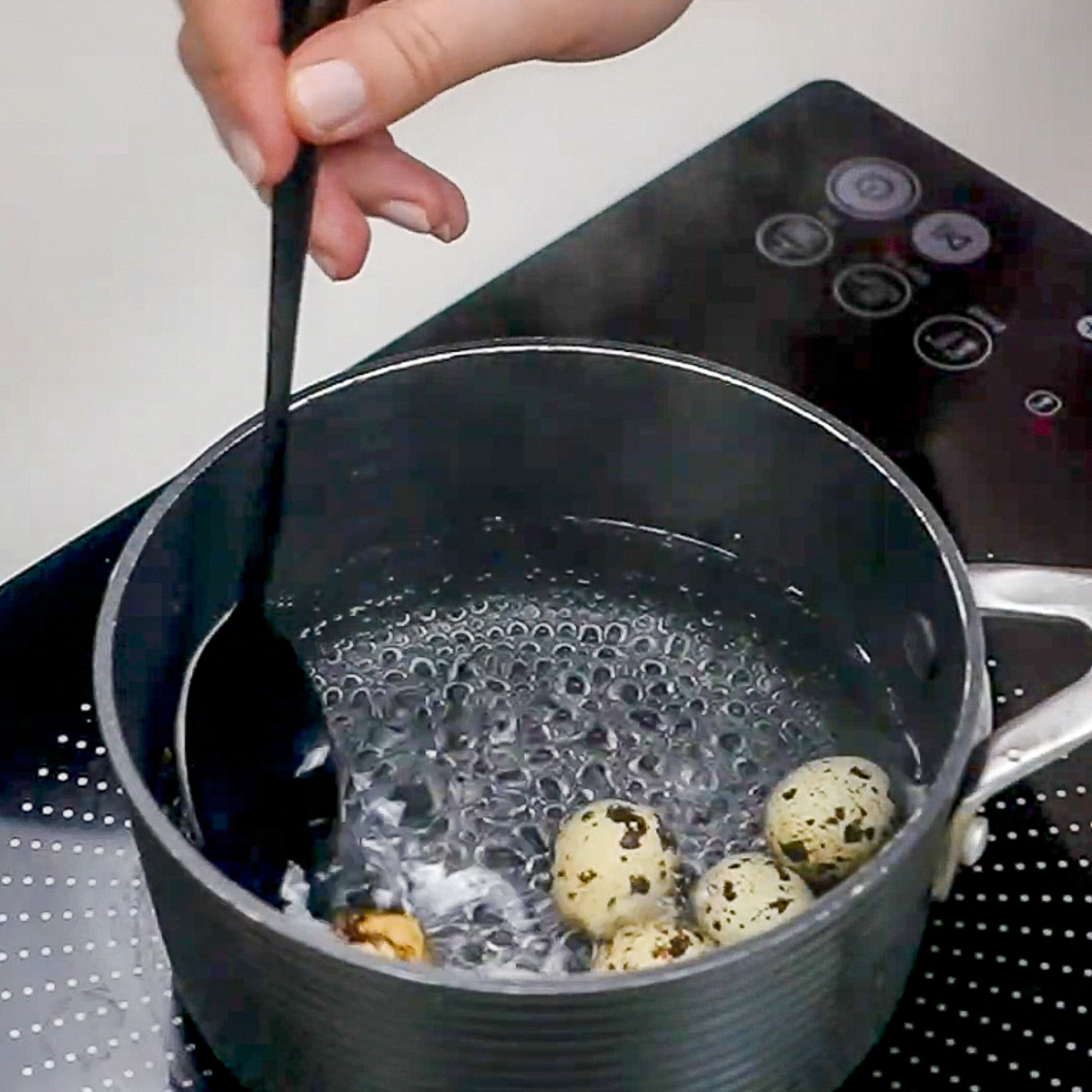
Step 3. Boil the quail eggs 4 minutesBoil the quail eggs in the pot for 4 minutes, and then transfer them to a bowl with cold water, and after peel the quail eggs, cut into halves. |
Step 4. Toss the salad 5 minutesIn a large bowl, combine the sliced fennel, sliced pineapple and orange slices. Drizzle with a little olive oil, a splash, salt, and pepper, tossing gently to keep the segments intact. |
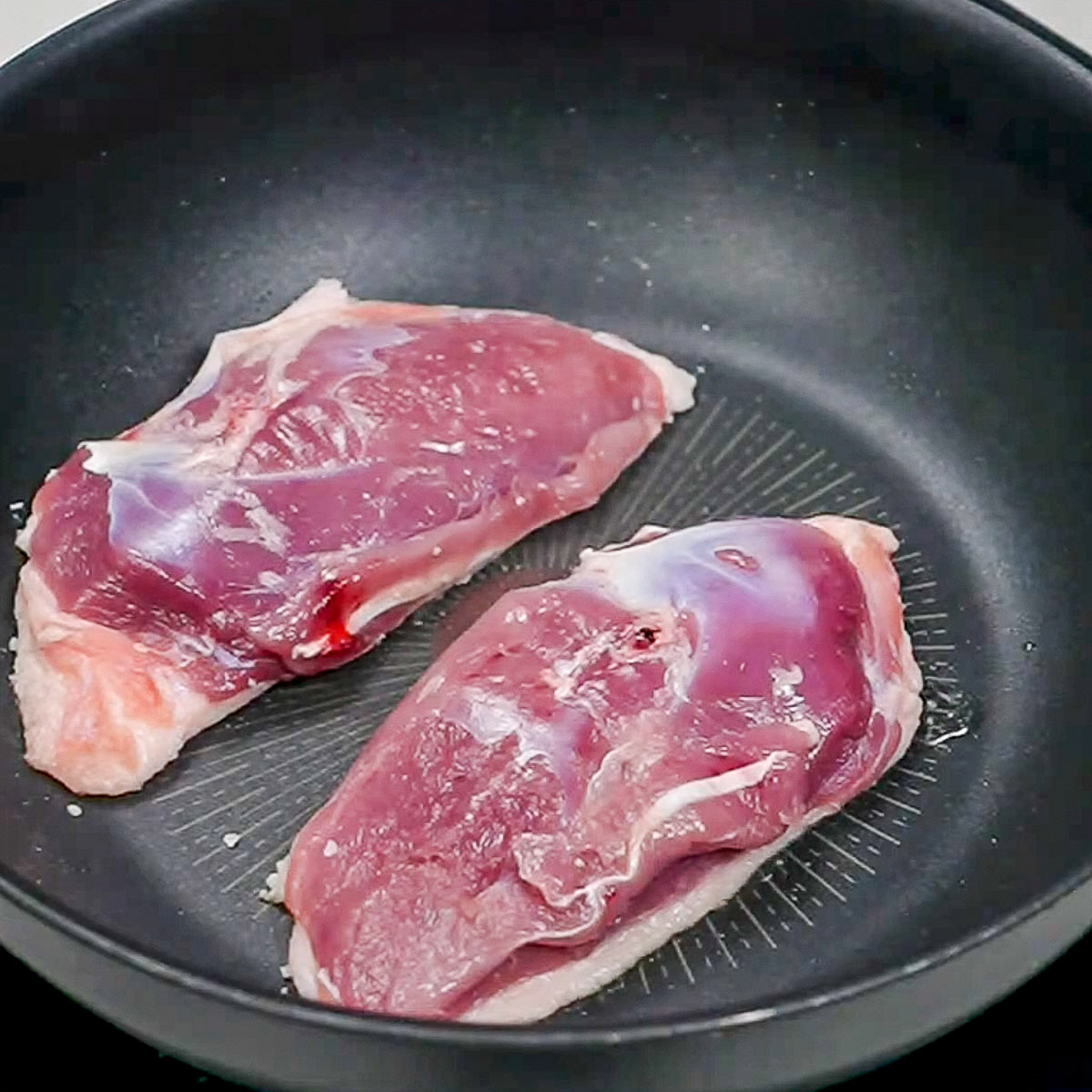
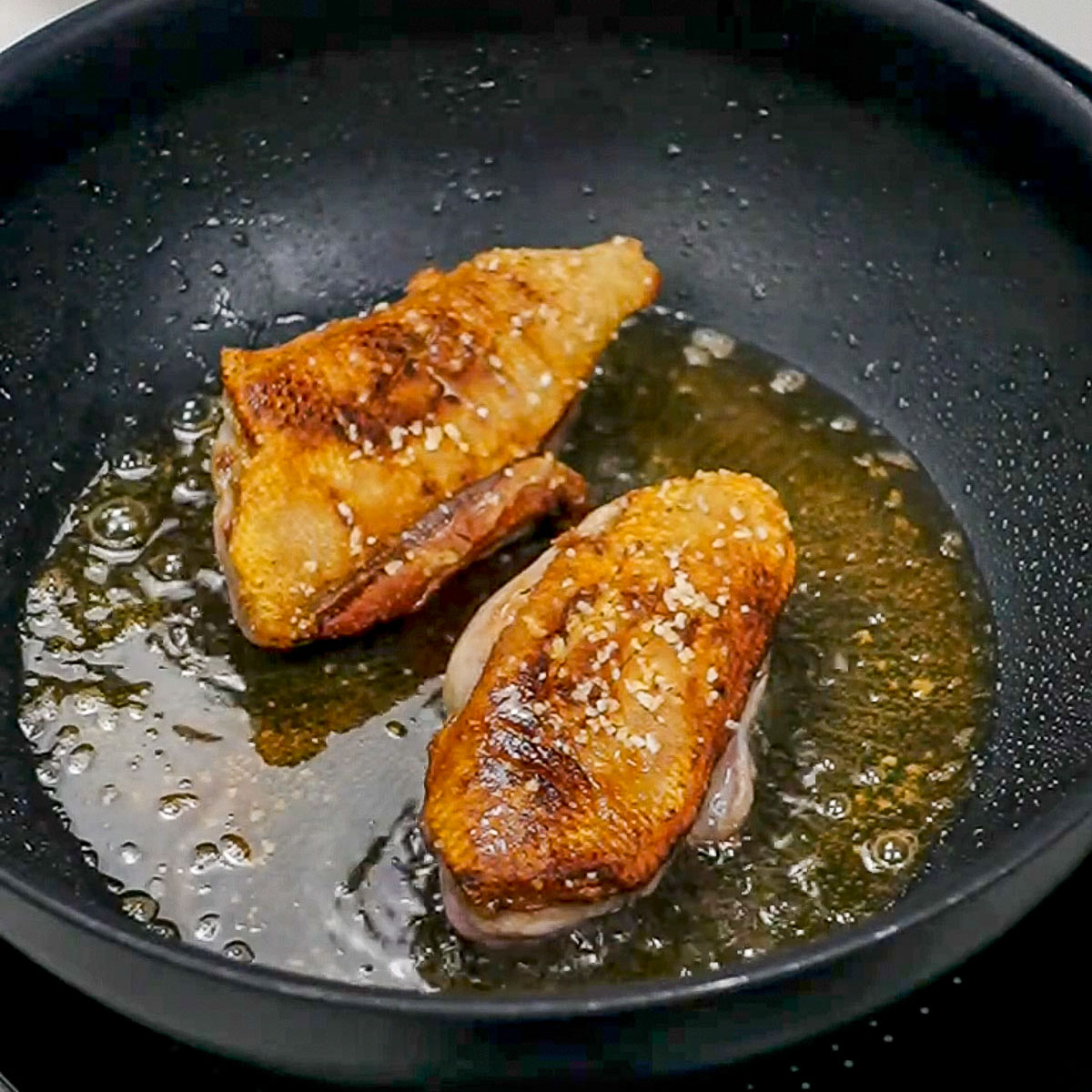
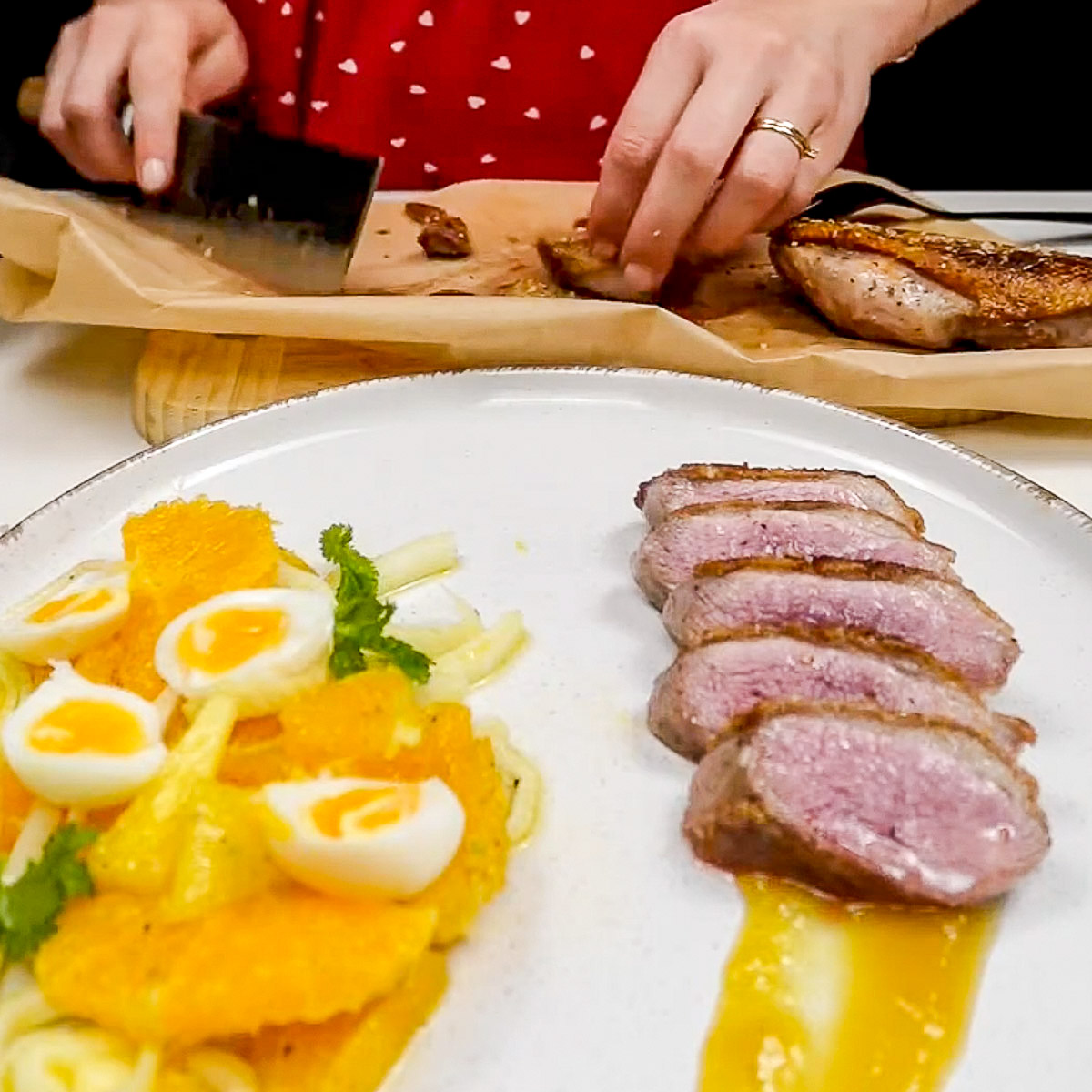
Step 5. Render and sear the duck 12 minutesPlace the duck breasts skin-side down in a cold skillet and turn the heat to medium. Cook for 8-12 minutes, pouring off excess fat occasionally, until the skin is deep brown and glass-crisp; flip and cook for 2–3 minutes for medium-rare. Let the duck rest for 5 minutes before slicing into thick medallions. |
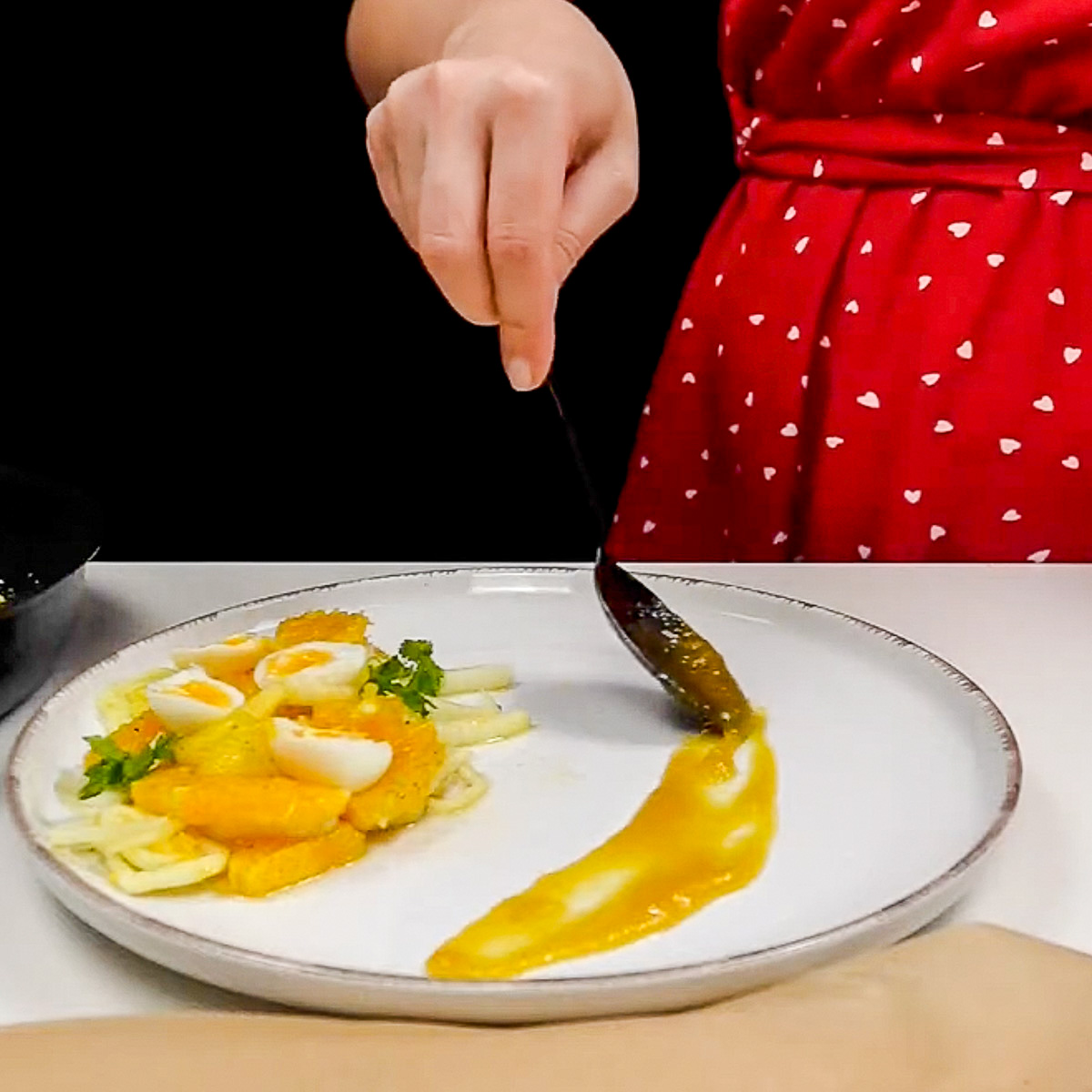
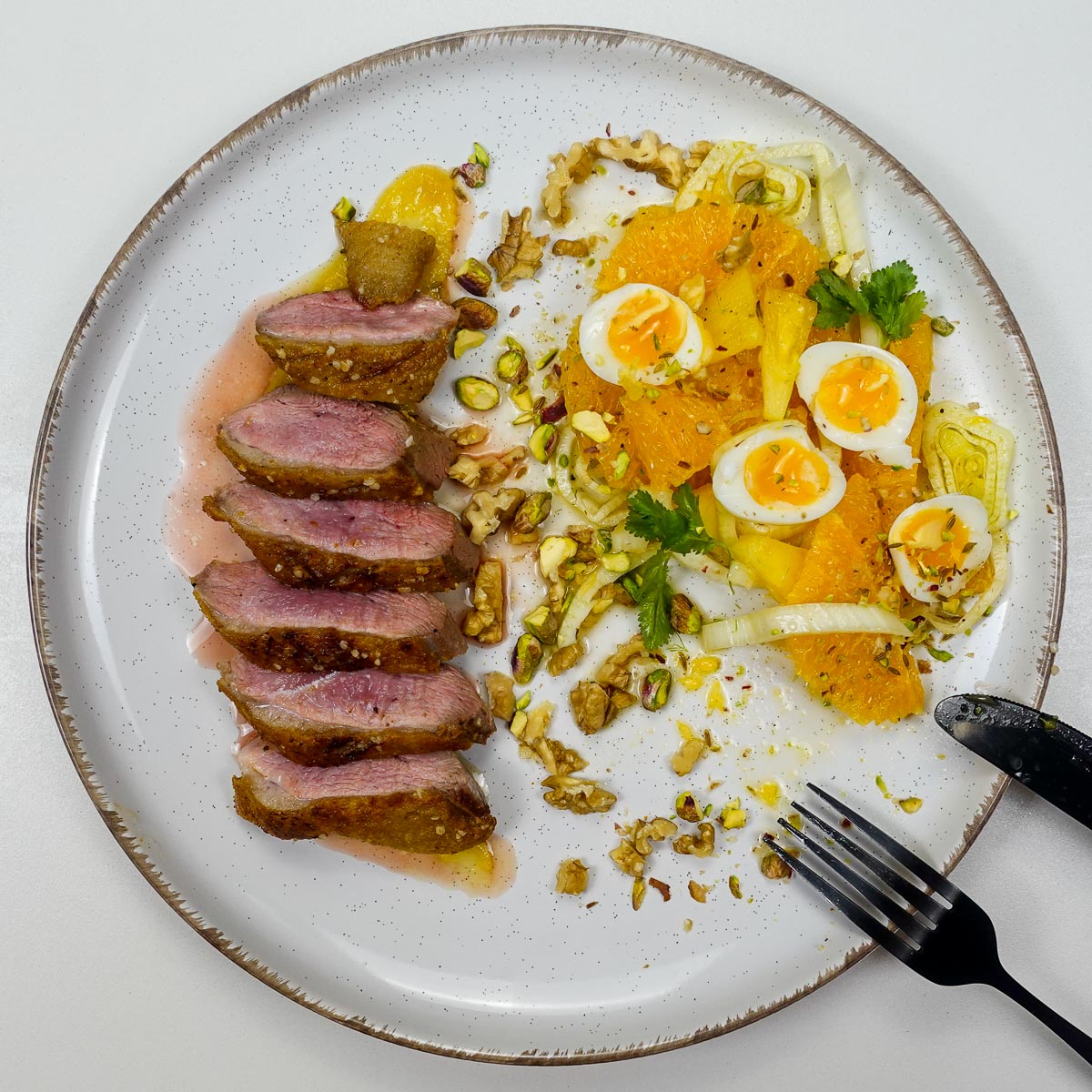
Step 6. Serve 5 minutesArrange the fennel salad on the plate, drizzle with the pineapple gastrique, top with the duck breast, nestle the quail eggs around the sides, and finish with the crushed nuts and fennel fronds. |
What part of the year is it best to make it?
You can certainly enjoy this duck salad year-round. The combination of rich duck, fresh fennel, sweet oranges, and vibrant pineapple gastrique creates a balanced plate that works beautifully in any season.
Juicy oranges bring natural sweetness and brightness that complement the richness of the duck, while crisp fennel adds a refreshing crunch and subtle anise flavour.
The pineapple gastrique adds a sweet-tart complexity that keeps the dish light and elegant, whether served on a warm summer evening or as a comforting meal in cooler months. Because it relies on the contrast of rich, fresh, sweet, and acidic elements rather than seasonal ingredients alone, this dish remains a versatile and sophisticated choice throughout the year.
Where can I buy the ingredients to make Crispy Duck Breast Salad with Fennel and Orange ?
To create a restaurant-quality salad, sourcing is where it all begins. The duck breast is the foundation of this recipe, so it’s worth seeking out the best you can find. I always recommend visiting a trusted butcher and asking for Moulard or Muscovy duck if it’s available. These breeds carry a generous layer of fat beneath the skin, which slowly renders during cooking and creates that beautifully crisp exterior that makes duck so irresistible.
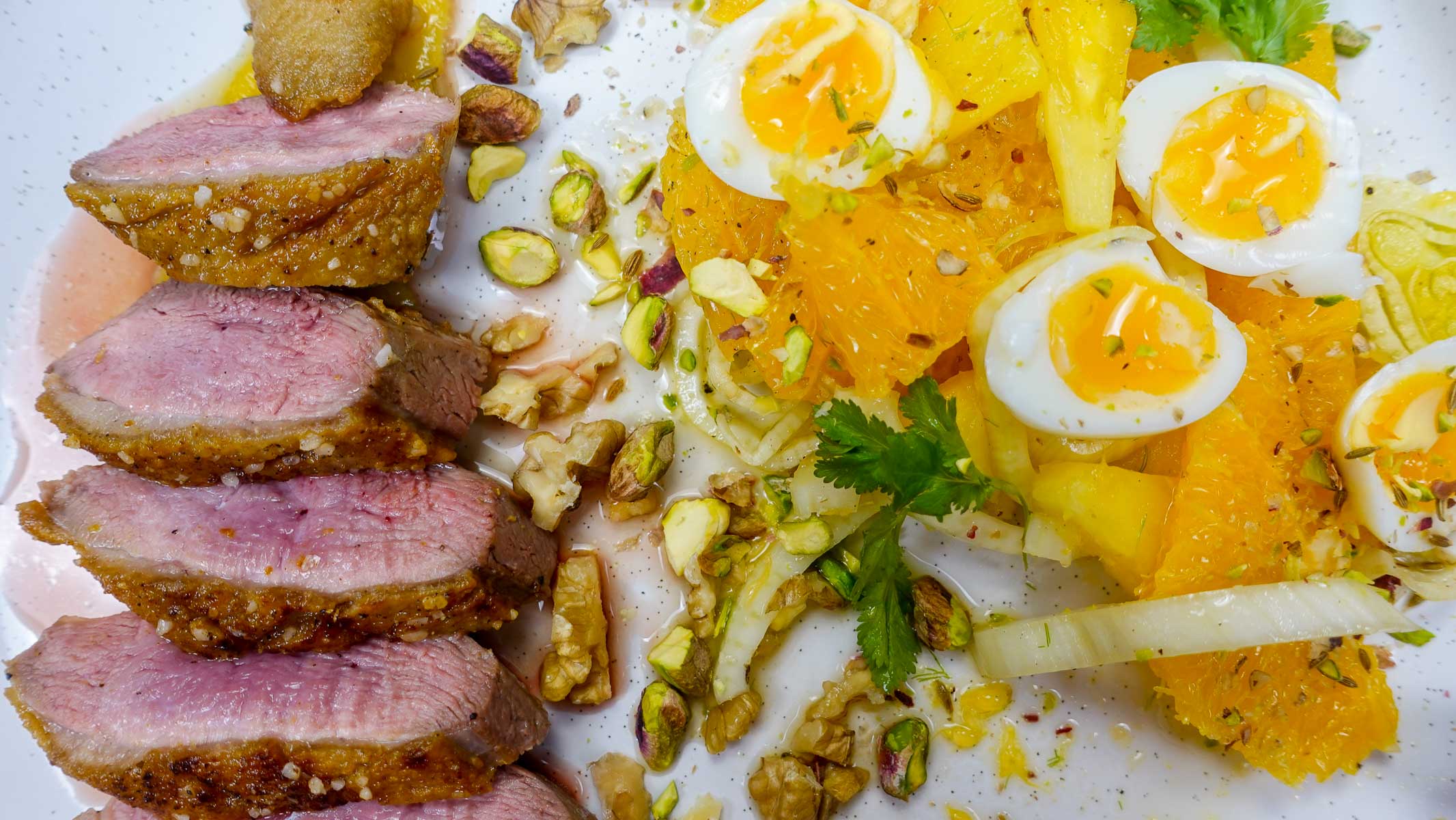
For the fennel and oranges, freshness is everything. Look for fennel bulbs that are firm, bright, and fragrant. When choosing oranges, pick fruit that feels heavy in the hand, as this is usually a sign of plenty of juice and natural sweetness. Since we’re using the zest as well as the juice, organic oranges are always my preference. I like to pick them up from the local market.
The finishing elements may seem small, but they play an important role in the final dish. Quail eggs can often be found at speciality grocers or Asian markets and add an elegant touch to the presentation.
For the walnuts and pistachios, buy the freshest nuts you can find. Their buttery flavour and delicate crunch provide the perfect contrast to the richness of the duck and the brightness of the citrus.
Can I substitute any of the recipe ingredients?
There are a few substitutions that work beautifully if you need them.
If duck isn’t available, a thick-cut pork chop with a generous fat cap is the closest alternative. It won’t have quite the same richness as duck breast, but it still pairs wonderfully with the citrus, fennel, and gastrique.
For the pineapple gastrique, don’t be afraid to experiment. Blood orange creates a slightly more elegant, citrus-forward sauce, while blackberry brings a deeper fruitiness and a beautiful colour to the plate.
If fennel isn’t to your taste, very thinly shaved celery is an excellent substitute. It delivers the same refreshing crunch and helps balance the richness of the meat.
The quail eggs add a touch of refinement to the finished dish, but a softly boiled chicken egg can certainly take their place. The presentation will be a little less delicate, though you’ll still get that creamy richness that ties everything together.
Can I make Crispy Duck Breast Salad with Fennel and Orange part of a menu?
Absolutely. This is the ultimate “showstopper” main course.
To create a full dinner party menu, we would start with something light, like a Gourmet Tuna Ceviche with Mango or Mediterranean Shrimp Croquettes with Garlic Yogurt Sauce. This prepares the palate for the richness of the duck.
For the side dish, since our duck already comes with a bright salad, you might want to add a small portion of Mediterranean Baby Baked Potatoes tossed in a bit of the rendered duck fat.
As a dessert, you can serve perhaps Dark Chocolate Raspberry Tart or Port Wine Poached Pears.
Recipe tips & tricks
Here are the tips on how to make this salad perfect.
- Place the scored duck skin-side down in a pan and then turn the heat to medium. This allows the fat to melt (render) gradually.
- Don’tdrop duck into a hot pan, the skin sears shut, trapping the fat inside and leaving you with a flabby, greasy result.
- Make sure you score the skin in a tight diamond pattern, but be careful not to cut into the meat itself!
- For the gastrique, don’t use a lot of sugar, or it will get too dark, and it will taste bitter. I like to use sweet pineapple.
Why is my duck skin not crispy?
You likely didn’t render the fat long enough or you started with a hot pan. Use a cold pan and be patient; it can take 10-12 minutes of rendering to get that glass-like crunch.
How do I stop the duck from curling?
When you first put the duck in the pan, use a spatula to press it down firmly for about 30 seconds. This prevents the muscle fibers from tightening and curling the breast.
What is a gastrique exactly?
A gastrique is a classic French sweet and sour sauce made by reducing sugar and vinegar by adding a fruit base, in our case, pineapple juice. It provides the perfect acidic “cut” to fatty meats like duck.
Wine pairings and non-alcoholic options
Curated by Leo.
White wines with good acidity and minimal oak are ideal here. You want something bright and mineral-driven that can cut through the richness of the duck while still complementing the citrus and fennel.
A classic Pinot Noir is still a great reference point. Its acidity and red fruit notes sit beautifully with the duck fat and the sweetness of the pineapple gastrique.
For Portuguese wines, we often lean toward Baga from Bairrada. It has that same bright acidity and structure you find in Pinot, with just enough earthiness to ground the richness of the dish without weighing it down.
On the white side, an Alvarinho from Vinho Verde is perfect. It’s crisp, citrus-led, and lightly saline, which works really well with both the fennel and the orange. It keeps everything lifted and fresh.
For non-alcoholic options, I always keep things just as considered. Sparkling water with a slice of lemon or orange works perfectly, especially if you want something clean that doesn’t interfere with the dish. A light herbal infusion – think mint, lemon verbena, or fennel tea served chilled – also pairs beautifully, echoing the aromatics in the salad without adding sweetness or heaviness.
How long can I store the leftovers?
Duck breast is at its absolute prime the second it leaves the pan. However, if you have leftovers, store them in an airtight container for up to two days.
To reheat, avoid the microwave at all costs – it turns duck into rubber.
Instead, place the duck in a cold pan, skin-side down, over medium-low heat. This helps re-crisp the skin while slowly warming the meat. Keep the salad components, nuts, and duck separate in the fridge to maintain the textures.
To Sum Up...
We hope this Mediterranean-style recipe inspires you to try this Crispy Duck Breast Salad with Fennel and Orange at home. Duck might seem a bit intimidating, but if you take your time with rendering the fat properly, the result is well worth it!
2 comments Hide comments
I am a big fan of duck dishes. Always order them when I am out. This time I decided to make one on my own, and I was really surprised with my result. All thanks to you, Helena – thank you for teaching us gourmet cooking. No difference with the restaurant food whatsoever, if not better.
I am so happy to read your review, Mark. It is exactly what my goal is with this blog, and it is incredibly motivating to read that I am succeeding. Thank you for your support!